

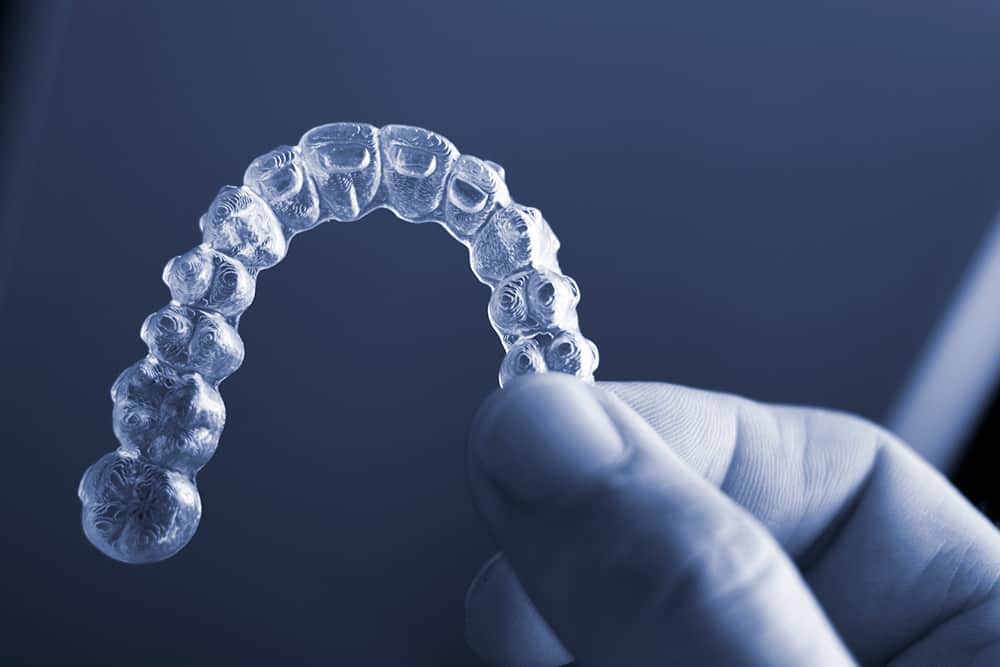
“Am I a good candidate for Invisalign?” Most people who ask this question have already decided they want straighter teeth. What they actually want to know is whether they can have them without metal brackets. The Invisalign candidacy quiz below asks eight questions about your teeth, your history, your habits, and one thing almost nobody thinks about until it is too late. It takes about two minutes. You will get a plain answer, and where aligners are not the right tool, you will be told what is.
Take the Free Invisalign Candidacy Quiz Below
Are you a candidate for Invisalign?
Eight questions about your teeth, your bite, and your daily routine. At the end you get a plain answer about whether clear aligners suit your case, what would suit it better if they do not, and what to raise at your consultation.
This quiz is educational. It cannot examine your mouth and it does not replace a diagnosis. Only a dentist can confirm suitability after a clinical exam and X-rays.
What actually makes someone a good Invisalign candidate
Three things decide it, and only one of them is about your teeth.
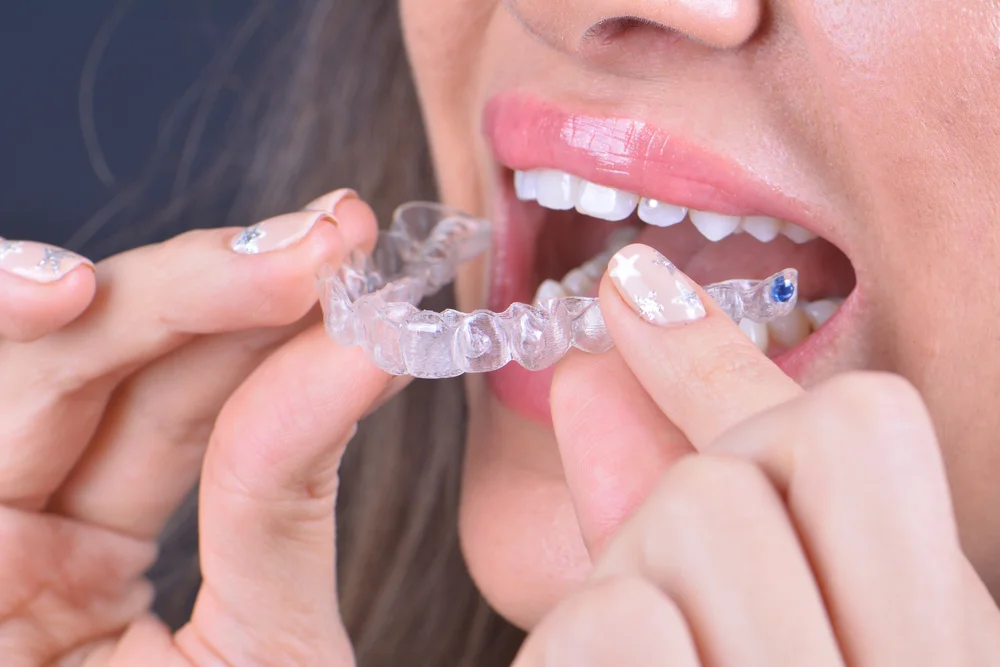
The size of the movement
Aligners tip and rotate teeth using a series of small, planned pressures. Within a certain range, they are extremely predictable. Push past it, and the plastic simply cannot generate the force needed, so the treatment plans a movement the teeth never make.
The health of the mouth around the teeth
Teeth move through bone, and bone only remodels properly when the gum around it is healthy. Active gum disease has to be treated before treatment begins. The same goes for an untreated cavity or a cracked tooth. This is the most common reason a candidate is asked to wait, and the wait is usually short.
Whether you wear them
Aligners work only while they are in your mouth, and the target is 20 to 22 hours a day. That means they come out for meals and go straight back in. Patients who treat them as optional end up months behind schedule with a bill they have already paid. This is not a small print detail. It is the single largest variable in the whole treatment.
The cases where something else works better
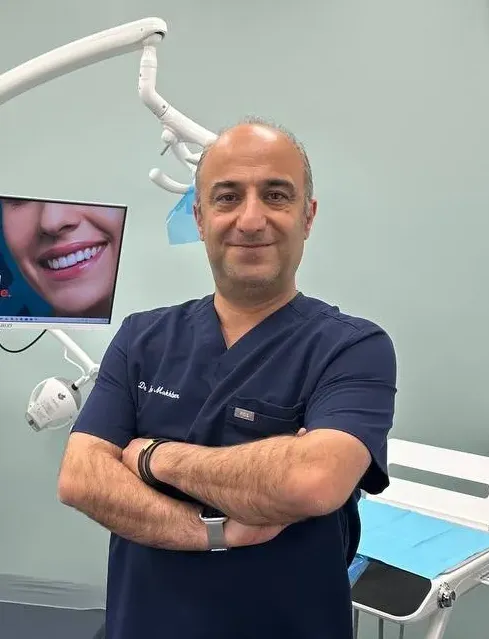
If your bite is the problem rather than the position of individual teeth, an orthodontic assessment comes first. Overbites, underbites, and crossbites involve the relationship between the jaws, and some of these cases are treated faster and more predictably with fixed braces or a combination of both. Dr. Nima Mokhber, who holds an M.Sc. in Orthodontics and has handled complex cases for over two decades, sees these patients at our Ancaster clinic.
If what bothers you is the colour or the shape of your teeth, aligners will move them into a straight line and leave you with the same complaint. Staining, chips, and worn edges are cosmetic problems, and teeth whitening, bonding, and veneers solve them directly.
What happens at the consultation
The consultation is free, and it does not commit you to anything.
The iTero scanner takes a digital scan of your teeth in a few minutes, with no putty and no gagging. From that scan, you can see the projected end position before you decide whether to start. You get a written estimate at the same visit, and the front desk will check what your insurance covers. Wilson East Dental Care bills most plans directly and is a registered provider for the Canadian Dental Care Plan.
FAQ
Does Invisalign hurt?
There is pressure and tenderness for a day or two after each new aligner goes in, which is the feeling of the teeth being moved. It settles. Most patients describe it as noticeable rather than painful.
Can I still get aligners if I have a crown or a bridge?
Often, yes, though it changes the plan. Attachments do not bond to porcelain the way they bond to enamel, and a bridge joins two teeth so they cannot be moved independently. Raise it at the consultation.
Will my teeth move back after finishing the Invisalign process?
A retainer, worn as instructed, will prevent your teeth from moving back. Relapse after childhood braces is almost always a retainer story, and the plan has to solve that, or the same thing happens again.


