

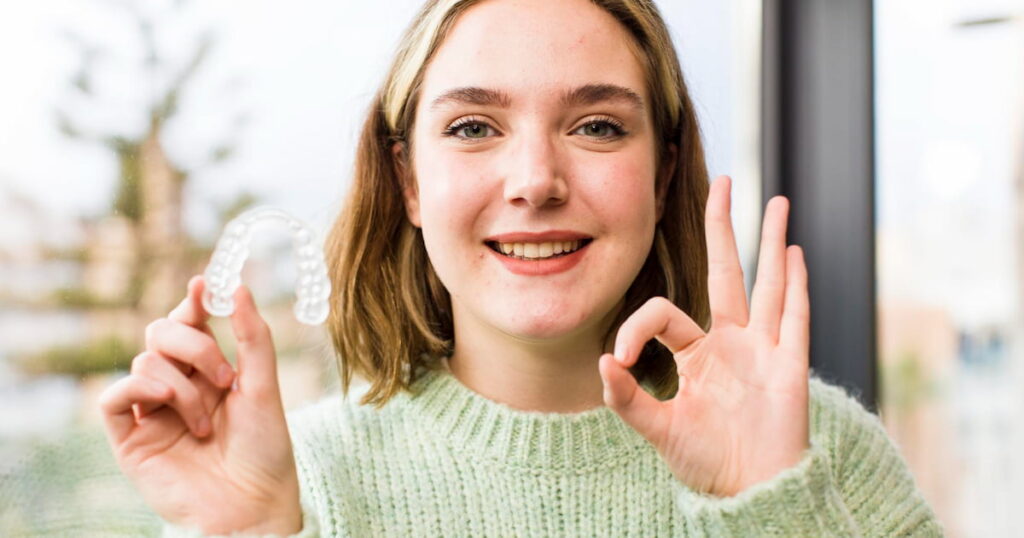
The benefits of Invisalign go beyond just a straighter smile; it also improves oral health, boosts confidence, and provides a more comfortable alternative to traditional braces. More and more people are switching to Invisalign because of its comfort, aesthetics, and effectiveness. According to Healthline, Invisalign was first introduced in the late 1990s and has since helped millions of people achieve straight smiles without the hassle of metal brackets and wires.
Here’s why Invisalign is becoming the go-to choice:
| Benefit | Why It Matters |
| Nearly Invisible | Clear aligners blend with natural teeth, making treatment discreet. |
| Removable | Eat whatever you want and brush your teeth easily. |
| Comfortable | No metal wires or brackets to cause irritation. |
| Custom Fit | Designed specifically for your teeth for a perfect fit. |
| Fewer Dental Visits | No need for frequent adjustments like with braces. |
| Better Oral Hygiene | Easy to clean aligners and maintain healthy gums. |
| Predictable Results | Advanced technology shows results before treatment starts. |
With Invisalign, you get a modern solution that straightens your teeth without disrupting your lifestyle. No wonder it’s the top choice for both teens and adults. Let’s take a look at other benefits of Invisalign in detail.
How Invisalign Enhances Oral Health Beyond Just Straight Teeth
Invisalign aligners help prevent common dental issues that come with misaligned teeth, such as cavities, gum disease, and jaw problems. Let’s what dental problems it can prevent.
- Crowded or crooked teeth make it hard to clean between them. This can be prevented with Invisalign.
- Straight teeth reduce plaque buildup, lowering the risk of tooth decay and infections.
- Invisalign allows for better brushing and flossing compared to metal braces, improving the overall oral health benefits of Invisalign.
Get a Healthier, Straighter Smile with Wilson East Dental Care!
Ready to experience the benefits of Invisalign for yourself? At Wilson East Dental Care, we offer expert Invisalign treatment to help you achieve the perfect smile. Contact us today for a consultation and take the first step toward healthier, straighter teeth!
The Psychological and Social Benefits of Invisalign
Let’s be real; your smile affects your confidence. Invisalign doesn’t just fix teeth; it changes how you feel about yourself.
- The aesthetic advantages of clear aligners make people feel more comfortable in social settings.
- Invisalign helps people speak and smile freely without worrying about bulky metal braces.
- Many users report a boost in self-confidence, which improves personal and professional interactions.
Whether it’s a job interview, date, or big event, knowing your smile is improving every day makes a huge difference.

At our clinic, we’ve seen firsthand how Invisalign transforms not just smiles but also confidence. Many patients come in feeling self-conscious about their teeth, hesitant to speak or smile openly. As their treatment progresses, we notice a significant change; not just in their alignment but in their attitude. They start engaging more, smiling without hesitation, and even sharing how Invisalign has helped them feel more comfortable in social and professional settings.
Long-Term Results: How Invisalign Helps Maintain a Perfect Smile
A straight smile is a lifelong investment. Invisalign ensures that your teeth stay in the right position for years to come.
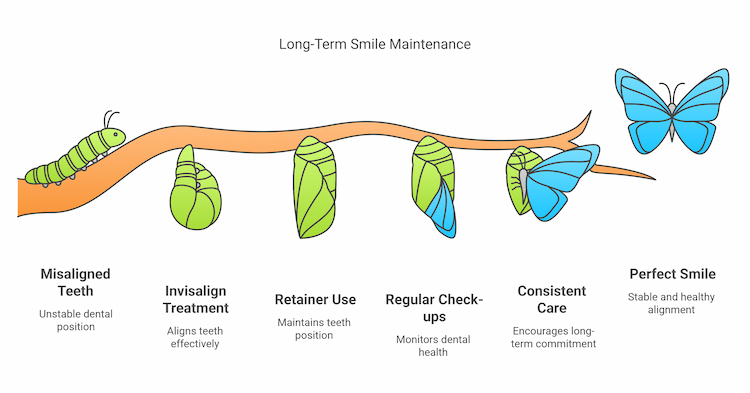
- Long-term dental health with Invisalign is possible with proper retainer use after treatment.
- It prevents teeth from shifting back, avoiding the need for future orthodontic work.
- The comfort and convenience of Invisalign treatment encourage patients to follow through with long-term maintenance.
Straight teeth aren’t just cosmetic; they reduce the risk of uneven wear, jaw pain, and future dental complications.
| From comfort and convenience to a nearly invisible appearance, Invisalign offers a modern solution for teeth straightening. At Wilson East Dental Care, we’re here to guide you through the process and help you achieve a confident, well-aligned smile. |
FAQs
-
Why is Invisalign a popular choice for teeth straightening?
Invisalign is discreet, comfortable, and removable, making it an attractive alternative to traditional braces. It also requires fewer dentist visits and provides predictable results.
-
How does Invisalign improve oral health beyond straightening teeth?
By aligning teeth properly, Invisalign reduces the risk of gum disease and cavities, making daily brushing and flossing more effective. It also helps prevent jaw problems caused by misalignment.
-
Can Invisalign boost self-confidence and social interactions?
Yes! Many people feel more confident knowing they’re improving their smile without the embarrassment of metal braces. Clear aligners make it easy to smile, talk, and interact without worry.
-
How does Invisalign contribute to long-term dental health?
Invisalign helps maintain proper tooth alignment, reducing wear and preventing future dental problems. With proper retainer use, results can last a lifetime.
-
What are the disadvantages of Invisalign?
Invisalign has some disadvantages, including discomfort as teeth shift, the need for discipline to wear them 20–22 hours a day, and frequent cleaning to prevent bacteria buildup. Some users experience a slight lisp initially, and the treatment can be more expensive than traditional braces. Invisalign is also less effective for severe dental issues and may not be suitable for complex cases. Additionally, since the aligners are removable, they can be easily lost or damaged if not handled carefully.
-
Does Invisalign improve your face?
Yes, Invisalign can improve your face by straightening your teeth, which enhances your smile and overall facial symmetry. It can also help align your jaw, improving your profile and reducing issues like overbites or underbites. These changes can lead to a more balanced and aesthetically pleasing facial appearance.


