


As a significant initiative by the Government of Canada, the Canadian Dental Care Plan (CDCP) aims to make dental care more accessible and affordable for eligible Canadians. As of 2025, the plan has expanded to include a broader range of dental services, including endodontic treatments like root canals and restorative procedures such as dental crowns. However, understanding the specifics of coverage, eligibility criteria, and the process to access these benefits is crucial for making informed decisions about your dental health.
In this blog post, we explore if the CDCP covers root canals and crowns, its limitations, and how to make the most of your CDCP benefits.
Does CDCP Cover Root Canals in 2025?
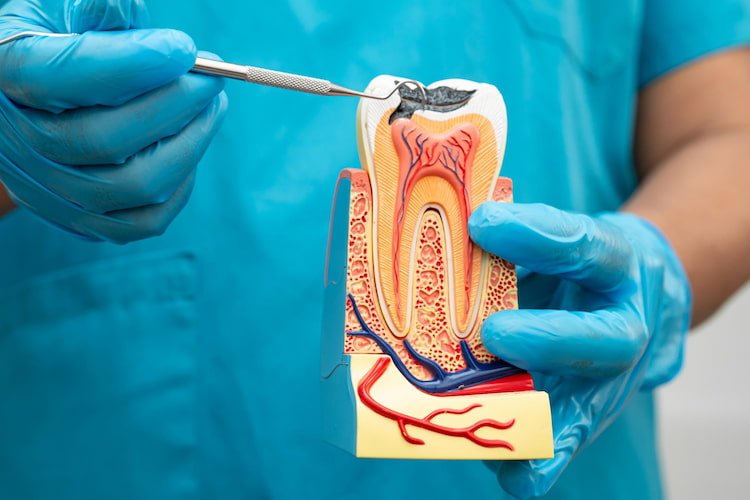
Yes, the CDCP provides coverage for root canal treatments under specific conditions. These treatments fall under endodontic services, which are designed to address issues within the tooth pulp, such as infections or severe decay.
Root Canal Coverage Details
To qualify for CDCP coverage for a root canal, the following criteria must be met:
- Tooth Eligibility: The treatment must be for incisors, canines, bicuspids, first and second molars, or third molars where the first and second molars are missing and the third molar is in occlusion with a prosthetic or natural molar.
- Restorability: There must be adequate remaining tooth structure to support a restoration, ensuring the biological width is maintained.
- Absence of Active Periodontal Disease: No ongoing gum or bone infections should be present.
- Adequate Periodontal Support: Radiographs should show a crown-to-root ratio of at least 1:1, indicating sufficient bone support.
If these conditions are met, the CDCP will consider covering the root canal treatment.
Cost-Sharing Rules
While the CDCP aims to cover a significant portion of dental treatments, according to Canada.ca, there may be instances where only partial coverage is provided. In such cases, patients may be required to pay the difference between the CDCP’s reimbursement and the dentist’s fees. These out-of-pocket costs can vary based on factors like the complexity of the procedure and the dentist’s billing practices.
Situations When Patients May Still Pay Out-of-Pocket
Even if a root canal treatment is deemed eligible for CDCP coverage, certain situations may lead to additional costs. Below, we’ve explained these situations.
- Non-Compliance with Preauthorization Requirements
If the treatment requires preauthorization and it is not obtained, the patient may be responsible for the full cost.
- Exceeding Frequency Limits
The CDCP has specific frequency limitations for certain procedures. For example, a root canal re-treatment is limited to one per tooth per lifetime. Exceeding these limits may result in additional charges.
- Additional Procedures Needed
If the root canal is part of a more extensive treatment plan that includes procedures not covered by the CDCP, such as crowns or orthodontics, patients may incur extra costs.
Read more: Most Common Signs You Need a Root Canal
Does CDCP Cover Dental Crowns?
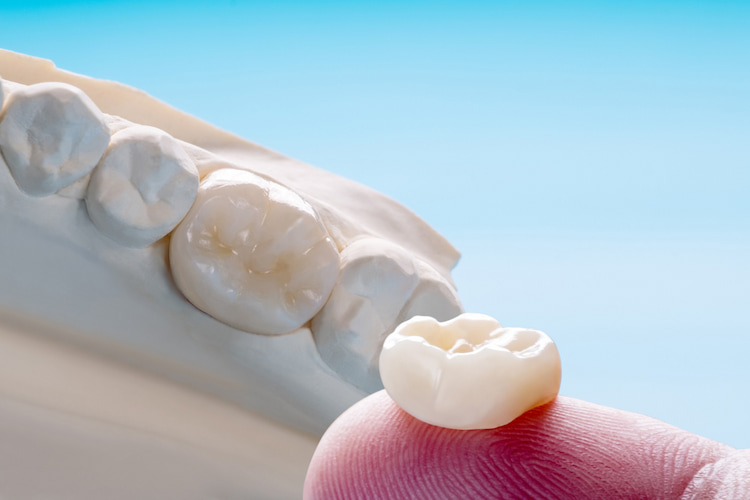
The Canadian Dental Care Plan (CDCP) may cover dental crowns when certain clinical criteria are met. Coverage generally applies to teeth that require a crown due to significant damage or tooth decay, including incisors, canines, bicuspids, first and second molars, or third molars if the first and second molars are missing and the third molar is functional.
Moreover, the tooth must have enough remaining structure to support a restoration, and there should be no active gum or bone infections. To confirm adequate periodontal support, radiographs are used, typically showing a crown-to-root ratio of at least 1:1. By meeting these requirements, a crown can be considered medically necessary, making it eligible for CDCP coverage.
Medical Necessity vs. Cosmetic Crowns
The CDCP distinguishes between medically necessary crowns and those sought for cosmetic reasons:
- Medically Necessary Crowns: These are required to restore function to a damaged or decayed tooth and are eligible for coverage.
- Cosmetic Crowns: These are primarily for aesthetic purposes and are not covered by the CDCP.
Read more: Reasons You Need to Get a Dental Crown
What Does the Canadian Dental Care Plan Cover in 2025?
The CDCP provides a wide range of dental services to eligible Canadians, ensuring both preventive and restorative care is accessible. The table below summarizes the main types of services covered under the plan in 2025.
| Service Type | Examples of Covered Treatments |
| Preventive Services | Teeth cleaning (scaling), polishing, fluoride treatments, and sealants |
| Diagnostic Services | Dental examinations, X-rays |
| Basic Restorative Dentistry | Fillings, minor restorations |
| Major Restorative Dentistry | Root canal treatments, more complex restorative procedures |
| Prosthodontic Services | Complete or partial removable dentures |
| Periodontal Services | Deep cleaning, treatment of gum disease |
| Oral Surgery Services | Tooth extractions, minor oral surgeries |
Get Your CDCP-Covered Treatment Today!
At Wilson East Dental Care, we offer CDCP-covered services including root canals and dental crowns. Our team will guide you through your benefits and make sure your treatment is covered with minimal out-of-pocket costs. Book your appointment now and take the next step toward a healthy smile!
Eligibility and How to Use CDCP Benefits for Root Canals or Crowns
To access CDCP benefits for treatments like root canals or crowns, you must meet specific CDCP eligibility criteria and follow the prescribed procedures. You may be eligible for the CDCP if you:
- Do not have access to dental insurance through employment, a professional or student organization, pension benefits, or private insurance.
- Have filed your tax returns in Canada for the previous year.
- Have an adjusted family net income of less than $90,000.
- Are a Canadian resident for tax purposes.
Once eligibility is confirmed, accessing benefits is straightforward but requires a few key steps. First, it is important to select a dentist who is registered with the CDCP, as not all dental offices participate in the plan. Some treatments, particularly more complex procedures like crowns, may require preauthorization from the CDCP before the appointment. This ensures the treatment is approved for coverage and helps prevent unexpected out-of-pocket costs.
CDCP Covers Root Canals and Crowns; Now Take Action for Your Dental Health!
In summary, the Canadian Dental Care Plan (CDCP) does cover root canal treatments and dental crowns in 2025, provided specific eligibility criteria and clinical requirements are met. Understanding these conditions, along with the coverage limits and the process to access benefits, is essential for making informed decisions about your dental care.
Don’t wait to get the dental treatment you need. At Wilson East Dental Care, we provide CDCP-covered root canals and crowns, making quality dental care accessible and affordable. Schedule your appointment today and let our experts guide you through your benefits for a healthy, confident smile!
FAQ
-
What is the Canadian Dental Care Plan (CDCP)?
The CDCP is a federal initiative by the Government of Canada aimed at making dental care more affordable for eligible Canadians without access to private dental insurance.
-
Are root canals fully covered under CDCP in 2025?
Root canals may be covered if specific eligibility and clinical criteria are met, including tooth eligibility, restorability, and absence of active periodontal disease.
-
Does CDCP cover cosmetic crowns?
No, the crowns placed solely to improve appearance, whiten teeth, or correct minor imperfections are considered cosmetic and are not eligible for CDCP benefits.
-
What if my root canal isn’t fully covered?
If your root canal isn’t fully covered under the CDCP, you may need to pay the remaining out-of-pocket costs. Coverage can be partial, depending on the tooth, preauthorization, or frequency limits. You can discuss payment options with your dentist, and in some cases, dental insurance alternatives or payment plans can help manage the cost.
Have questions about your CDCP coverage or dental treatment? Share your thoughts or experiences in the comments below! Our team at Wilson East Dental Care is happy to answer and help you get the most out of your benefits.


