

As we age, our teeth naturally undergo wear and tear, enamel thins, gums recede, and teeth may become discolored, chipped, or even fall out. These age-related changes can not only affect how we look but also how we chew, speak, and feel about ourselves. That’s where cosmetic dentistry steps in, not just for the young, but especially for seniors who want to enjoy life with a confident, functional, and radiant smile. In this blog, we’ll explore the best cosmetic dentistry options for seniors and discuss their different aspects.
Common Cosmetic Dentistry Options for Seniors
Cosmetic dentistry for seniors focuses on restoring the beauty and functionality of the smile in ways that respect the natural aging process. Here are some of the most popular and effective treatments available.
Dental Implants for Seniors
Missing teeth are a common issue for seniors, and dental implants have become the gold standard for replacement. Unlike dentures, implants are surgically placed into the jawbone, acting as artificial tooth roots. This provides a stable, permanent foundation for crowns, bridges, or even dentures. Here’s what makes this option a go-to treatment:
- Implants look like your real teeth and function almost identically.
- They prevent bone loss in the jaw, which often happens when teeth are missing.
- With proper care, implants can last a lifetime.
- No slipping or discomfort like with removable dentures.

How do implants work?
The process of getting dental implants begins with a consultation and planning phase, where X-rays and scans are used to assess the health and density of the jawbone. Next, a titanium post is carefully inserted into the jawbone to serve as the implant’s foundation. Following this, there is a healing period lasting three to six months, during which osseointegration occurs. This is the natural bonding of the bone to the implant.
Once the implant is securely integrated, a custom-made crown or denture is attached to restore the appearance and function of the missing tooth or teeth. For seniors, factors like bone density and overall health play an important role, but many are able to successfully receive implants with minimal risk.
Contact Us Today!
Thinking about revitalizing your smile? Schedule a personalized consultation at Wilson East Dental Care today to explore the best options for your unique needs and age. Don’t wait; your new smile awaits!
How Effective Are They Long-Term?
With proper oral hygiene and regular dental visits, implants can last 15 to 25 years or more. Even seniors in their 70s or 80s can be excellent candidates, provided they have sufficient bone density and are in good general health.
Tip: If you’ve been wearing dentures but struggle with fit or discomfort, implant-supported dentures may be a game-changer for you.
Veneers for Aging Teeth
Over time, teeth may become discolored, chipped, or worn down. Dental veneers are thin shells made of porcelain or composite resin that cover the front surface of teeth to restore their appearance. Veneers can be used to cover cracks, discoloration, gaps, or even slightly crooked teeth, making them an excellent choice for a complete smile rejuvenation.
What Can Veneers Fix?
- Yellowing or staining that doesn’t respond to whitening
- Minor chips or cracks
- Uneven or worn edges
- Gaps or slight misalignment
Process & Longevity
- Preparation: A small amount of enamel is removed.
- Application: Custom veneers are crafted and bonded.
- Lifespan: With care, veneers last 10–15 years.
Crowns and Bridges: Restoring Function and Appearance
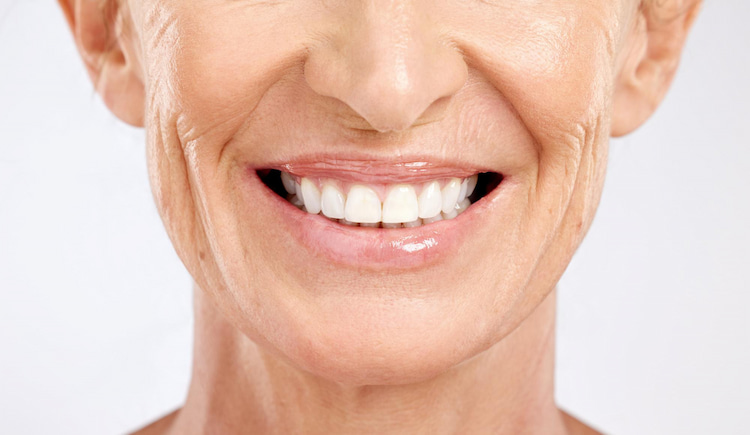
When teeth are damaged due to decay, fractures, or wear, crowns and bridges can both restore appearance and maintain chewing ability.
| Aspect | Crowns | Bridges |
| Purpose | Protects and strengthens a single tooth that is damaged, decayed, or aesthetically compromised. | Fills the gap left by missing teeth, restoring function and preventing teeth from shifting. |
| Procedure | The tooth is prepared by reshaping, then a custom-made crown is cemented over it. | Adjacent teeth are prepared, and a bridge (with artificial teeth) is cemented in place. |
| Materials | Porcelain, ceramic, metal, or a combination (e.g., porcelain-fused-to-metal). | Similar materials as crowns, often porcelain or ceramic, for a natural appearance. |
| Maintenance | Regular brushing, flossing, and dental checkups to maintain. | Requires careful cleaning under the bridge using special tools like floss threaders and regular checkups. |
How Do They Help Seniors?
Crowns strengthen and protect weakened teeth, restoring function and aesthetics, while bridges fill gaps from tooth loss, preventing shifting and supporting facial structure. Both options enhance oral health, making it easier for seniors to enjoy nutritious foods, speak clearly, and smile confidently. With durable materials and manageable care, crowns and bridges offer long-lasting solutions to help seniors maintain a vibrant, healthy lifestyle.
Not sure if you need dental crowns? This article will help you figure it out: Reasons You Need to Get a Dental Crown
Addressing Anti-Aging Effects with Cosmetic Dentistry
Did you know that a beautiful smile can actually make you look younger? Aging often causes teeth to shorten, become discolored, or shift, which can contribute to a sunken or aged facial appearance. Restoring teeth through cosmetic dentistry can:
- Support facial muscles by preventing sagging cheeks and lips.
- Brighten your smile and rejuvenate your look.
- Boost confidence and encourage more social interaction and positivity.
A Restored Smile = A Younger You
People often underestimate how much our teeth influence our facial aesthetics. Seniors who undergo cosmetic dental treatments often receive compliments not just on their smiles, but on looking “happier” and “healthier” overall.
What Seniors Need to Know Before Choosing Cosmetic Dentistry
Before undergoing any cosmetic dental procedure, it’s important to consider certain factors.
- Oral Health Assessment
Seniors often have existing dental issues like gum disease, tooth decay, or bone loss, which must be addressed before cosmetic procedures. For example, crowns require a stable tooth root, while implants need healthy adjacent teeth and enough bone density. Consult a dentist for a thorough exam, including X-rays, to evaluate gum health, bone density, and tooth stability.
- Health and Medical Conditions
Aging-related conditions like diabetes, heart disease, or arthritis can affect healing after dental procedures or the ability to maintain oral hygiene. Medications like blood thinners may also complicate treatment. Therefore, you should discuss your medical history with your dentist. They may coordinate with your doctor to adjust medications or recommend tools like water flossers for easier maintenance.
Additional Note: According to Healthline, some medical conditions can lead to dental implant failure, such as diabetes, osteoporosis, a weakened immune system, bleeding disorders, and cardiovascular disorders like high blood pressure.
- Cost and Insurance Coverage
Cosmetic dentistry can be expensive, and many dental insurance plans offer limited coverage for cosmetic procedures. First, check with your insurance provider or explore plans for partial coverage. Then, ask your dentist about payment plans or financing options.
- Risks and Limitations
Some cosmetic procedures may cause sensitivity or looseness over time. Seniors with weakened immune systems or poor healing may face higher complication risks. This is why you need a comprehensive post-procedure care plan to minimize issues like gum irritation or restoration failure.
The Cost and Financing of Cosmetic Dentistry for Seniors
Let’s talk numbers. While cosmetic dentistry is often seen as a luxury, many treatments are more affordable and more essential than you might think. The price ranges mentioned in the table below can be affected by different factors. Therefore, it’s better to contact your dentist to find out about the exact price.
| Procedure | Typical Cost Range | Notes on Financing |
| Dental Implants | $3600 – $6500 | Many clinics offer payment plans or financing through third parties. |
| Veneers | Ceramic Veneer: 800–1200 Composite Veneer: 300–600 | Insurance may not cover cosmetic work; ask about in-house plans. |
| Crowns | $1500–$1900 | Some dental insurance plans may partially cover crowns. |
| Bridges | $2200–$5000+ | Costs depend on size and materials used. |
Conclusion
Cosmetic dentistry offers seniors a wonderful opportunity to improve both the look and function of their teeth, contributing to better health, confidence, and quality of life. From implants to veneers and crowns, there are numerous options to meet your individual needs safely and effectively.
Remember, age is just a number; your smile can be vibrant and beautiful at any stage of life. If you’re ready to take the next step, our team at Wilson East Dental Care is here to support you every step of the way. Apart from dental cosmetic treatments, we offer various services to restore and maintain your oral health, such as dental checkups and restoraive dentistry. Contact us today to book your consultation and discover your personalized treatment plan!
FAQ
-
Is there an age limit for cosmetic dentistry?
No, there’s no age limit! Cosmetic dentistry is based on your oral health, not your age. Many seniors in their 60s, 70s, and even 80s successfully undergo procedures like implants, veneers, and crowns. As long as you’re in good general and oral health, you’re likely a candidate.
-
How long do dental veneers last for seniors?
Dental veneers usually last 10 to 15 years, sometimes even longer, with proper care. Their lifespan depends on your oral hygiene routine, avoiding hard foods or habits like nail-biting, and regular dental checkups
-
Are dental implants safe for older adults?
Yes, dental implants are very safe and effective for older adults. Age itself isn’t a barrier; health and bone quality are more important. In fact, many seniors choose implants to replace dentures or missing teeth and enjoy improved comfort and chewing ability.
-
Can teeth whitening help with age-related stains?
Absolutely! Professional teeth whitening treatments can safely and effectively lift teeth stains, giving your smile a brighter, more youthful look. Over-the-counter products may not be strong enough for deeper stains, so talk to your dentist about customized whitening options that are gentle on older enamel.
Have you tried any of the treatments mentioned in this blog? Leave a comment below and share your experience with us!


