

A beautiful smile can be a powerful confidence booster. Thanks to cosmetic dentistry, achieving that radiant smile is easier than ever. But once you’ve invested in veneers, crowns, bridges, or teeth whitening, it’s essential to protect that investment with proper care. Without the right cosmetic dentistry maintenance, your dental work can stain, chip, or wear out prematurely, leaving you with costly repairs and a dull smile.
In this blog, we’ll break down exactly how to care for your cosmetic dental treatments so they stay bright, functional, and long-lasting.
Types of Cosmetic Dental Work and Their Specific Care Needs
Different cosmetic treatments come with different care routines. Understanding what your dental work needs is the first step toward keeping your smile flawless.
Care for Veneers
Porcelain veneers are thin shells bonded to the front of your teeth to correct shape, size, or color. While they’re durable and stain-resistant, they aren’t invincible. To prevent chipping, avoid biting hard objects like pens, ice, or fingernails. Also, avoid using your teeth as tools. Opening packages or bottles can crack your dental veneer. It’s also important to rinse your mouth after consuming foods that stain (e.g., berries, red wine) to minimize surface discoloration.
Recommended Products
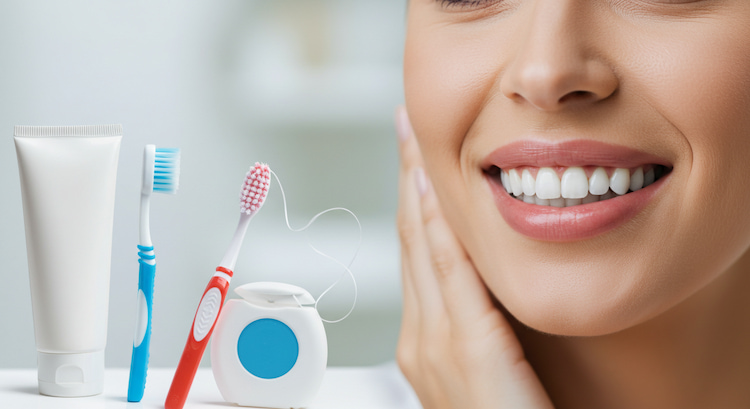
- Toothpaste: Use a non-abrasive, fluoride toothpaste. Abrasive pastes can wear down the glaze on your veneers.
- Toothbrush: A soft-bristled manual or electric toothbrush helps clean gently without damaging the porcelain.
Additional Note: Never underestimate the benefits of fluoride for your teeth, as it strengthens enamel and helps prevent cavities.
Care for Crowns and Bridges
Dental crowns and bridges restore both function and appearance, but they also need special care to last.
- Avoid chewing on hard candies, ice, or nuts that can crack or loosen crowns.
- Don’t bite your nails; this adds pressure to your dental work.
- If you grind your teeth, ask your dentist about a night guard. Grinding (bruxism) can damage both the crown and the underlying tooth.
Extra Tip: Clean around dental bridges carefully using floss threaders or interdental brushes to remove plaque from hard-to-reach areas.
Care for Teeth Whitening
Whether done in-office or with take-home kits, teeth whitening is a popular treatment to enhance your smile, but it’s also prone to fading if not cared for. That’s why you should avoid “dark” foods and drinks like coffee, tea, red wine, and soy sauce for the first 48 hours. Also, use a straw when drinking beverages that can stain to reduce contact with your teeth. Brush gently with a whitening toothpaste designed for sensitivity to keep your teeth bright without harming enamel.
Now that you’ve learned how to maintain the results of your teeth whitening, it’s good to know more about tooth whitening options and make an informed decision for your treatment.

Care for Dental Implants
While implants are highly durable, they still require careful maintenance to ensure they remain healthy and functional for many years. Just like natural teeth, implants can accumulate plaque and bacteria, especially around the gum line.
Daily brushing and flossing are essential, and you should pay special attention to cleaning around the base of the implant. Using a soft-bristled toothbrush and non-abrasive toothpaste helps avoid scratching the crown surface. Additionally, tools such as interdental brushes or water flossers can help clean hard-to-reach areas.
Did You Know?
A study on PubMed Central highlights a game-changer for home care: adding chlorhexidine to water-flossers. This powerful combo shows promise in controlling inflammation around implants, offering a simple yet effective way to maintain your smile’s longevity and health right from your bathroom!
Contact Wilson East Dental Care Today!
Need personalized advice on how to care for your cosmetic dental work? Book a consultation with Wilson East Dental Care today! We’ll help you create a care routine that keeps your smile picture-perfect.
Essential Daily Care for Your Cosmetic Dental Work
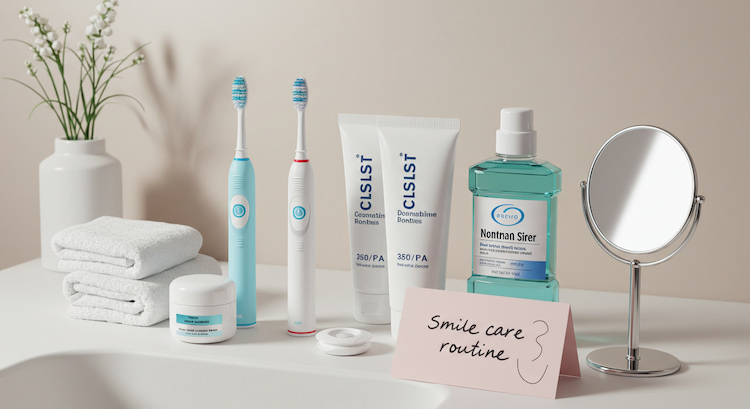
Even the most advanced cosmetic dental treatments can fail without a solid daily oral hygiene routine. Therefore, you need to use a toothbrush, dental floss, and mouthwash every day to keep your teeth clean and healthy. Use a soft toothbrush and non-abrasive toothpaste. This prevents scratching the surface of veneers or crowns.
Flossing also prevents decay around the edges of your dental work and keeps your gums healthy. Regarding mouthwashes, it’s recommended to choose an alcohol-free one to avoid drying out your mouth and weakening the bond of cosmetic restorations. Need more guidance on the dental hygiene product you should use? Don’t miss the next section!
Recommended Dental Products
| Product Type | What to Look For |
| Toothbrush | Soft-bristled, electric or manual |
| Toothpaste | Fluoride-based, non-abrasive |
| Floss | Waxed floss or floss picks |
| Mouthwash | Alcohol-free with fluoride |
| Whitening Touch-Up Pens | Safe for daily use (ask your dentist first) |
Foods and Beverages to Avoid to Protect Your Cosmetic Dentistry
Being mindful of your diet not only protects your dental work but also helps keep your natural teeth in top shape. Some foods can stain your teeth, and others may cause damage to your cosmetic dental treatment, leading to cracks or loosening. Here’s what to limit or avoid.
| Food Type | Examples |
| Staining Foods | Coffee, black tea, red wine, dark berries, soy sauce |
| Hard foods | Ice, hard candy, popcorn kernels |
| Sticky foods | Caramel, taffy, gummy candies |
| Crunchy snacks | Corn chips, toasted baguettes |
Tip: If you can’t resist some staining foods, rinse your mouth or brush your teeth soon after consuming these items.
Enjoyed learning about this? You might also love this guide: Brighten Your Smile with These Healthy Summer Foods
Regular Checkups and Professional Care
Maintaining cosmetic dental work doesn’t only need daily brushing and flossing; it can be boosted by consistent, professional care. Regular dental visits allow your dentist to monitor the condition of your veneers, crowns, bridges, or whitening results.
During these visits, your dentist can catch early signs of wear, detect issues like cracks or loosening, and check the health of your gums and surrounding teeth. Even the most well-maintained dental work can develop problems over time, but catching them early can prevent the need for costly repairs or replacements.
In addition to checkups, professional cleanings play a vital role in preserving the appearance and function of your cosmetic dentistry. These cleanings remove plaque and tartar buildup that your toothbrush can’t reach, helping your dental work stay polished and fresh-looking. A thorough cleaning can also eliminate minor surface stains that may have developed, especially after teeth whitening treatments.
Conclusion
Cosmetic dentistry is an investment in your smile and confidence. With the right care, brushing and flossing daily, avoiding harmful foods, and visiting your dentist regularly, you can keep your veneers, crowns, bridges, and whitened teeth in excellent condition for many years.
At Wilson East Dental Care, we take pride in helping our patients maintain their beautiful smiles with gentle, expert care tailored to their specific cosmetic treatments. Whether you’re due for a routine cleaning or need a quick adjustment, we’re here to support the long-term health and beauty of your smile.
Contact Wilson East Dental Care to schedule your next cosmetic care checkup today!
FAQ
-
How often should I visit the dentist after cosmetic dentistry work?
After cosmetic dental treatments, it’s recommended to visit your dentist every six months for routine checkups and cleanings. However, depending on your treatment and oral health needs, your dentist might suggest more frequent visits.
-
Can I still whiten my teeth if I have veneers?
Veneers themselves cannot be whitened because they are made of porcelain or composite materials that don’t respond to bleaching agents. However, you can whiten the natural teeth around them to help your smile look more uniform.
-
What should I do if my dental implant feels loose?
If your implant feels wobbly, it could be due to a loose crown, an issue with the abutment (the connector), or, in rare cases, a problem with the implant itself. Do not try to tighten or fix it at home. Instead, contact your dentist immediately for an evaluation.
-
How long does teeth whitening last with proper care?
With proper care, teeth whitening results can last anywhere from six months to two years. The longevity depends on your habits and how well you maintain your oral hygiene.
Got questions or want to share your own tips for keeping your smile fresh? Leave a comment below, and wait for a quick response!


