

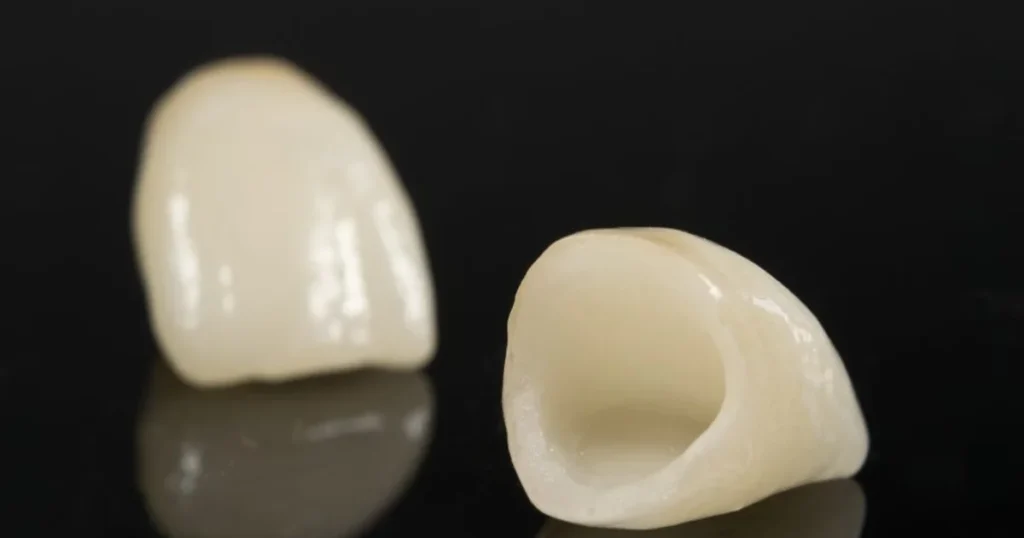
A dental crown is a significant restoration. It protects a damaged tooth, restores its shape, and improves its function. Many of our patients at Wilson East Dental Care in Ancaster rely on crowns to keep their smiles strong and healthy. Once you have a dental crown, caring for it properly is key to its longevity. Just like your natural teeth, crowns require attention to last for many years.
This guide covers everything you need to know about dental crown care. We will discuss immediate aftercare, daily maintenance, and important dietary considerations. Understanding these practices helps you protect your investment and maintain your oral health.
Dental Crown Aftercare
The first few days after getting a dental crown are important. Whether you received a temporary crown or your permanent one, some specific steps help ensure a smooth transition. Expect some initial sensitivity or mild discomfort as your mouth adjusts. This is normal.
Caring for Your Temporary Crown
Temporary crowns protect your tooth while your permanent crown is being made. They are not as strong as permanent crowns. You need to be extra careful with them.
- Chewing: Avoid chewing hard or sticky foods on the side of your mouth with the temporary crown. This prevents it from dislodging or breaking.
- Flossing: When flossing around a temporary crown, slide the floss out from the side instead of pulling it upwards. Pulling up can lift the crown off.
- Oral Hygiene: Continue brushing gently around the temporary crown. Good hygiene keeps the area clean and prevents gum irritation.
- If it comes off: If your temporary crown loosens or falls out, contact us right away. We can re-cement it or provide a new one. Do not try to glue it back yourself.
After Your Permanent Crown is Placed
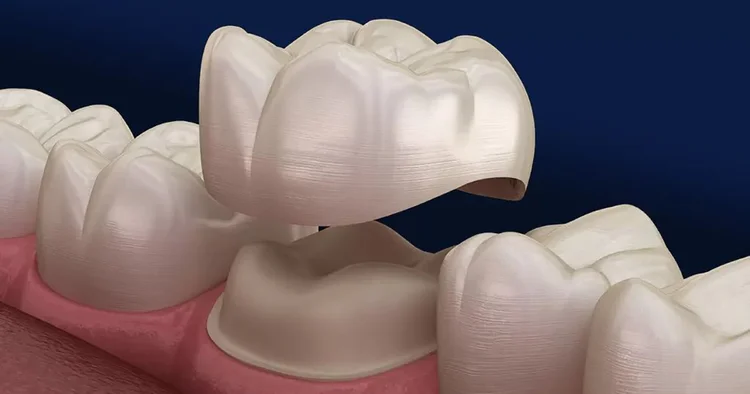
Once your permanent crown is cemented, it is designed to be durable. You might experience some sensitivity to hot or cold for a few days. This usually subsides as the tooth settles. If sensitivity persists or worsens, please let us know.
Long-Term Dental Crown Care
The lifespan of a dental crown, which can be 10 to 15 years or more, largely depends on how well you care for it. Consistent daily habits make a significant difference. Treat your crown just like your natural teeth, because the tooth underneath can still be susceptible to decay.
Brushing and Flossing
Effective oral hygiene is fundamental for dental crown longevity. It prevents plaque buildup and gum disease around the crown, which can compromise its fit and the health of the underlying tooth.
- Brushing: Brush your teeth twice a day for two minutes each time. Use a soft-bristled toothbrush and fluoride toothpaste. Pay close attention to the gumline around your crown, ensuring you clean thoroughly without scrubbing aggressively.
- Flossing: Floss daily to remove food particles and plaque from between your teeth and under the gumline. Regular flossing helps prevent decay at the crown margin, where the crown meets your natural tooth structure.
- Mouthwash: An antimicrobial mouthwash can offer additional protection, reducing bacteria and freshening your breath. Choose an alcohol-free option to avoid drying out your mouth.
In case of dental crown care, the Healthline website has said something interesting, which can be useful to read:
“Practice careful brushing. If you’re not already brushing your teeth twice a day, it’s time to start. Consider using a toothpaste for sensitive teeth if your crown or the teeth around it are sensitive to heat or cold.”
Regular Dental Check-ups
Even with excellent home care, professional dental visits are essential. During your routine dental check-ups, your dentist must examine your crown for any signs of wear, damage, or issues with its fit. followed by checking the surrounding gum tissue and the health of the underlying tooth.
Professional teeth cleanings remove tartar buildup that your toothbrush cannot reach. This is especially important around crowns, where plaque can sometimes accumulate more easily. These visits help us identify and address minor problems before they become major issues, extending the life of your crown.
Foods to Skip and Alternatives
Your diet plays a crucial role in maintaining the integrity of your dental crown. Certain foods can put undue stress on the crown or the cement holding it in place. Being mindful of what you eat helps preserve your crown and prevents costly repairs.
Foods to Skip After Dental Crowns
Some foods are particularly problematic for dental crowns. Avoiding these can prevent chipping, cracking, or dislodging your crown. The Canadian Dental Association recommends being cautious with hard and sticky foods.
| Food Category | Examples | Why to Skip | Impact on Crown |
|---|---|---|---|
| Hard Foods | Ice, hard candies, popcorn kernels, unpopped kernels, nuts, hard bread crusts, bones | Can exert immense pressure, leading to chips, fractures, or cracks in the crown material. | Chipping, cracking, fracture, damage to underlying tooth. |
| Sticky/Chewy Foods | Caramels, taffy, chewing gum, gummy candies, dried fruits (e.g., raisins, dates) | Can pull on the crown, especially if the cement bond is not fully set or has weakened over time, potentially dislodging it. | Crown dislodgement, loosening, pulling out the crown. |
| Acidic Foods & Drinks | Chipping, surface scratches, and potential fracture. | While crowns themselves are resistant to acid, prolonged exposure can erode the natural tooth structure around the crown, leading to decay at the margin. | Erosion of natural tooth structure, decay around the crown margin. |
| Crunchy Foods | Hard chips, raw carrots (large pieces), pretzels, hard crackers | Similar to hard foods, the sudden impact can damage the crown surface or structure. | Chipping, surface scratches, potential fracture. |
| Extremely Hot or Cold Items | Very hot coffee/tea, ice cream (immediately after placement) | Can cause temporary sensitivity, especially in the initial days after crown placement. Extreme temperature changes can also stress the crown material over time. | Increased tooth sensitivity, potential micro-fractures over long term. |
Alternative Foods
Focus on a balanced diet rich in fruits, vegetables, lean proteins, and whole grains. These foods support overall oral health. Drink plenty of water throughout the day. Water helps rinse away food particles and neutralize acids.
Beyond food, avoid habits like nail-biting, using your teeth to open packages, or grinding/clenching your teeth. These actions can put excessive force on your crowns and natural teeth. If you grind your teeth at night, we can discuss a night guard to protect your crowns and natural dentition.
Preventing Dental Crown Problems
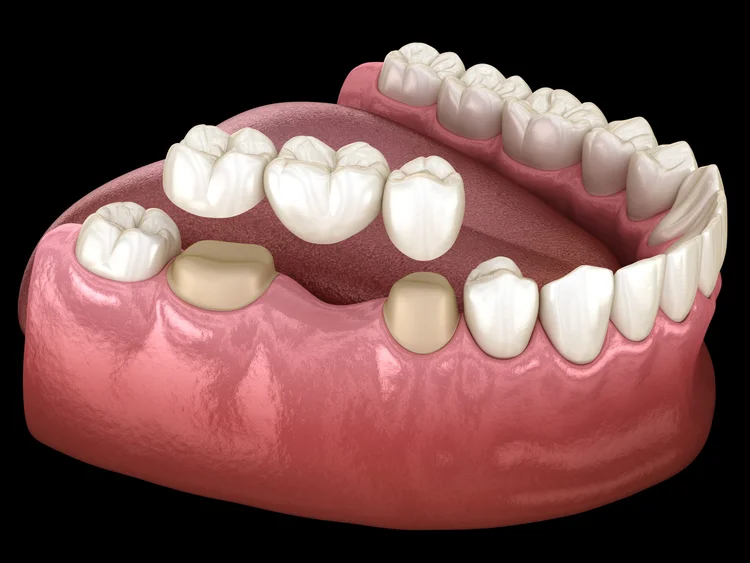
While dental crowns are durable, problems can sometimes arise. Knowing what to look for helps you address issues quickly. Early detection often means simpler, less invasive solutions.
Common Issues with Dental Crowns
- Sensitivity: Mild sensitivity to hot or cold is common immediately after placement. If it persists, worsens, or is accompanied by pain when biting, it could indicate an issue.
- Loose Crown: A crown might become loose if the cement washes out or the underlying tooth structure changes. You might feel it shift or notice a gap.
- Chipped or Fractured Crown: Biting on something hard can chip or crack the porcelain part of a crown. Depending on the severity, this might require repair or replacement.
- Decay Under the Crown: Although the crown itself doesn’t decay, the natural tooth structure beneath it can. Poor oral hygiene or a compromised seal can lead to decay at the margin.
- Gum Problems: Red, swollen, or bleeding gums around the crown might indicate gum disease or an ill-fitting crown irritating the tissue.
Most crown problems can be prevented with good care. Regular brushing and flossing, avoiding problematic foods, and wearing a night guard if you grind your teeth are primary preventative steps. Also, ensure you see us for your scheduled check-ups. We can spot early signs of wear or issues before they become painful or expensive.
Concerned About Dental Crown Aftercare?
If you have questions about caring for your dental crown or need expert dental treatment, visit Wilson East Dental Care today. Our team is here to help you protect your smile with personalized care and long-term dental solutions.
When to See Your Ancaster Dentist
Do not hesitate to contact us at Wilson East Dental Care if you experience any of the following:
- Persistent or severe pain or sensitivity in the crowned tooth.
- Your crown feels loose or has fallen off completely.
- You notice a chip or crack in your crown.
- Swelling, redness, or bleeding gums around the crown.
- Difficulty chewing or biting, or if your bite feels “off” after the crown was placed.
- Any unusual taste or smell coming from the crown area might indicate an infection.
Addressing these issues promptly can save your tooth and extend the life of your crown. We are here to help you maintain your oral health.
Final Thoughts
Taking good care of your dental crown is a straightforward process. It involves consistent daily hygiene, smart dietary choices, and regular professional check-ups. By following these guidelines, you can ensure your crown remains strong and functional, protecting your tooth and contributing to your overall oral health for many years.
At Wilson East Dental Care, we are committed to helping our Ancaster patients maintain their crowns and achieve lasting dental wellness. If you have any questions about your dental crown or need to schedule an appointment, please reach out to us.
FAQ
-
How long do dental crowns typically last?
With proper care, a dental crown can last between 10 and 15 years, and sometimes even longer. Factors like oral hygiene, diet, and habits like teeth grinding all impact its lifespan.
-
Can I whiten my dental crown?
No, dental crowns do not respond to whitening treatments. The material used for crowns is stain-resistant but will not change colour like natural tooth enamel. If you are considering whitening your natural teeth, it is best to do so before your crown is placed, so we can match the crown to your desired shade.
-
What if my crown feels rough or sharp after placement?
It is important to let us know if your crown feels rough or sharp. A rough surface can irritate your tongue or cheek, and it might also indicate an issue with the crown’s fit or finish. We can smooth it out for you.
-
Can a dental crown get a cavity?
The crown material itself cannot get a cavity. However, the natural tooth structure underneath the crown, particularly at the margin where the crown meets the tooth, is still vulnerable to decay. This is why good oral hygiene is crucial.


