

Fillings are important dental restorations that repair teeth affected by cavities, fractures, or other damage. They fix broken and chipped teeth, restore the charm of lovely-looking smiles, and stop further tooth decay. Despite this, patients frequently ask how long these fillings last. This is because some factors affect the longevity of a filling; we will explore these and when you should consider replacing them to maintain the best oral health possible. This guide will break down those factors so you can consider the criteria important to your dental care. Filling longevity is a key focus for the skilled dentist in Ancaster at Wilson East Dental, ensuring your dental work stands the test of time.
Our Services: Best Fillings in Ancaster
Types of Dental Fillings and Their Longevity
The longevity of a dental filling is significantly affected by the material used to fill the cavity. The results sometimes relate to the durability over time; a longer lifespan is better than a shorter one for each material. Thanks to advancements in dental technology, we have better composite materials for more durable and attractive fillings in recent years. Experience exceptional filling longevity with the expert cosmetic dentist in Ancaster at Wilson East Dental, where beautiful smiles are built to last.
- Amalgam fillings
Strength is produced from metals like silver, copper, and mercury. However, these have been used for well over a century and generally last 10 to 15 years. However, they are often put in areas less likely to be seen because of their silver color.
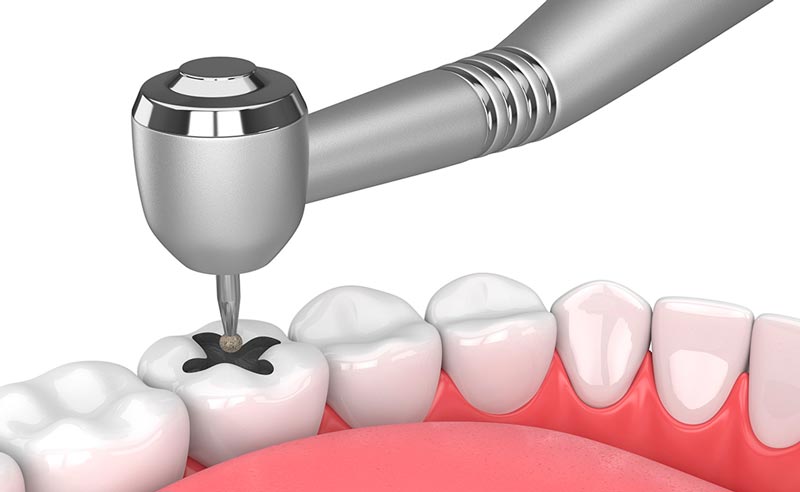
- Composite resin fillings
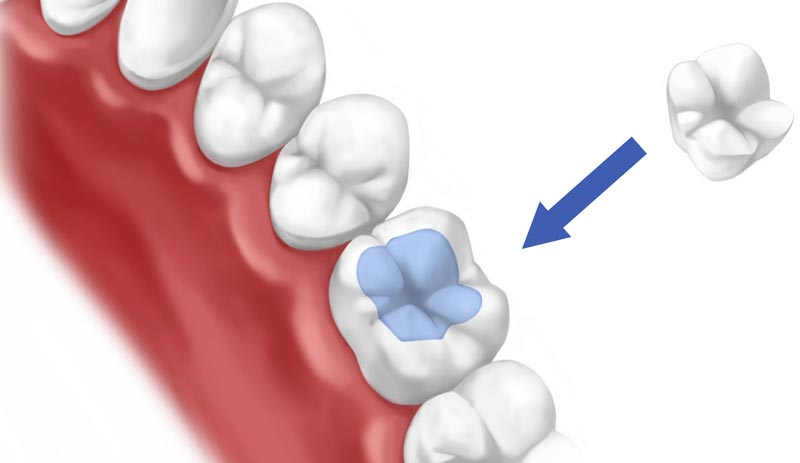
These blend plastic and fine glass particles, allowing them to match your tooth color. They generally last 5-7 years but can last longer with proper care. They are popular for front teeth due to their natural appearance.
- Ceramic fillings
Made from porcelain, these are durable and resistant to staining. They can last 10-15 years or more, making them a good choice for those who value durability and aesthetics despite being more expensive.
- Gold fillings
Gold fillings are costly but extremely durable and last 20 years or more. They resist wear, but their metallic look makes them less popular in visible areas. Not many dental clinics use them as dental fillings.
Read More: Restoration and filling of teeth with laser
Factors Influencing the Lifespan of Fillings
Many factors can affect the life of a dental filling. Once properly placed by a dentist, gold and ceramic fillings rarely crack under the pressure of biting food, which can last longer than composite resin. The position and the volume of the filling are also important. Back teeth handle most chewing pressure, so fillings wear down much faster. A big filling replaces a large quantity of the tooth structure and can easily wear or chip.
Fillings can last a lifetime with proper dental hygiene. Filling weakening is usually caused by tooth decay or gum disease, so taking care of your teeth by brushing and flossing daily can help prevent the problem in general. Decay and the risk of decay around fillings are increased if your diet includes high-sugar and acidic foods. Habits such as grinding of the teeth can grind down fillings quicker and, therefore, need more replacements.
Our Services: Emergency Dentist in Hamilton
Our Services: Emergency Dentist in Ancaster
Over time, fillings can wear down or weaken and possibly even crack, interfering with function and decreasing appearance. So, what are the factors on which the life of a dental filling depends? It comes down to the longevity of the material being used, with gold and ceramic offering great durability compared to composite resin, which may need replacing more frequently. Filling placement is more important than the filling material chosen to restore a tooth because fillings in molars can wear out quickly and rarely last as long as those placed on other teeth.
Filling size also plays a role in the wear and tear of the fillings, with bigger filling areas being more prone to damage. Good oral hygiene techniques, such as brushing and flossing daily and attending regular dental exams, are also important in keeping decay at bay around filling materials. Decay can be promoted by poor dietary habits, particularly those high in sugars and acids and non-nutritious foods. At the same time, wear may similarly occur due to teeth grinding.
Related Articles: Can an Emergency Dentist Save Your Damaged Tooth?
Signs That a Dental Filling Needs Replacement
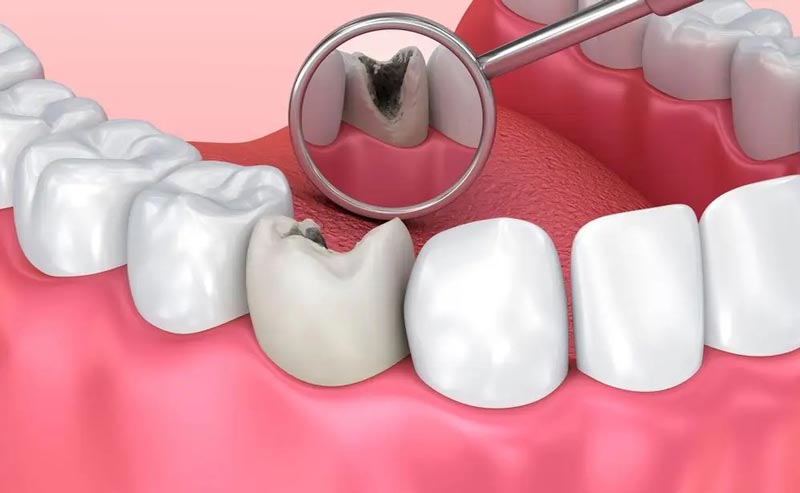
Knowing a few signs that can signal the need to replace an old filling is vital. Discomfort or pain while eating cold, hot, or sweet foods and liquids can indicate that a filling is failing or has decay underneath. Cracks, chips, and holes immediately show that a filling needs to be repaired or replaced. This break can cause bacteria to easily reach the tooth beneath, leading to faster decay. Composite and ceramic fillings can become discolored with age. The discoloration on top of this filling indicates wear or a failing seal between the white material and your tooth.
Moreover, a rough or uneven filling could also indicate wear and tear on the affected tooth due to its impact on your bite, making chewing more painful. If there is new decay surrounding the filling, a replacement may be required to avoid further injury to the tooth. Discoloration, or the appearance of a different color in your filling compared to what it once was before, can also indicate as much. Finally, the filling does not act successfully as a barrier for your tooth if you see decay on it that goes around to below the edges of the filling and you should visit your dentist as soon as possible.
Related Articles: How Can a Dental Filling Restore Your Damaged Tooth?
Maintaining Your Dental Fillings
Tooth filling retaining for a long time requires good oral hygiene. That includes brushing your teeth twice daily with fluoride toothpaste and a soft to medium brush and flossing daily. Frequent dental visits are important to check your fillings and maintain oral health. Staying away from sugary or acidic foods can help to keep decay at bay around your fillings, and avoiding hard snacks such as ice and nuts will protect them so they don’t get damaged. Wearing a mouthguard if you grind your teeth, especially at night, can help protect your fillings and other preceding items. Regular dental visits can detect problems early before they become serious. So, don’t remember the following points:
- You can maintain good oral hygiene with brushing and flossing daily to keep your teeth and fillings clean.
- Limit sugary and acidic foods, which can lead to decay around fillings.
- Avoid hard foods because chewing hard items like ice or nuts can damage fillings. It would help if you do not use your teeth for opening or breaking things.
- Use a mouthguard, if necessary, to protect your fillings from grinding or teeth clenching. It may also help you in some kinds of sports and exercises.
Read More: Most Common Dental Problems
Conclusion
Depending on a person’s oral habits, the material, size, and location of the dental filling will determine how long it lasts. Though fillings do not last forever, they can live longer with proper care. At Wilson East Dental Care, we are committed to providing the highest standard of dental care services in Hamilton and helping you maintain a beautiful smile. If you are concerned about your fillings or need a dental exam, please get in touch with us. Your Preventive Specialist Dream Team. For more information or to schedule an appointment, visit us at Wilson East Dental Care. These tips will help you keep your fillings longest and thus make them the only solution to maintaining a healthy smile. Remember, maintenance of dental work, crowns, veneers, etc., and overall cleanliness and healthiness require regular visits and proper at-home hygiene.


