

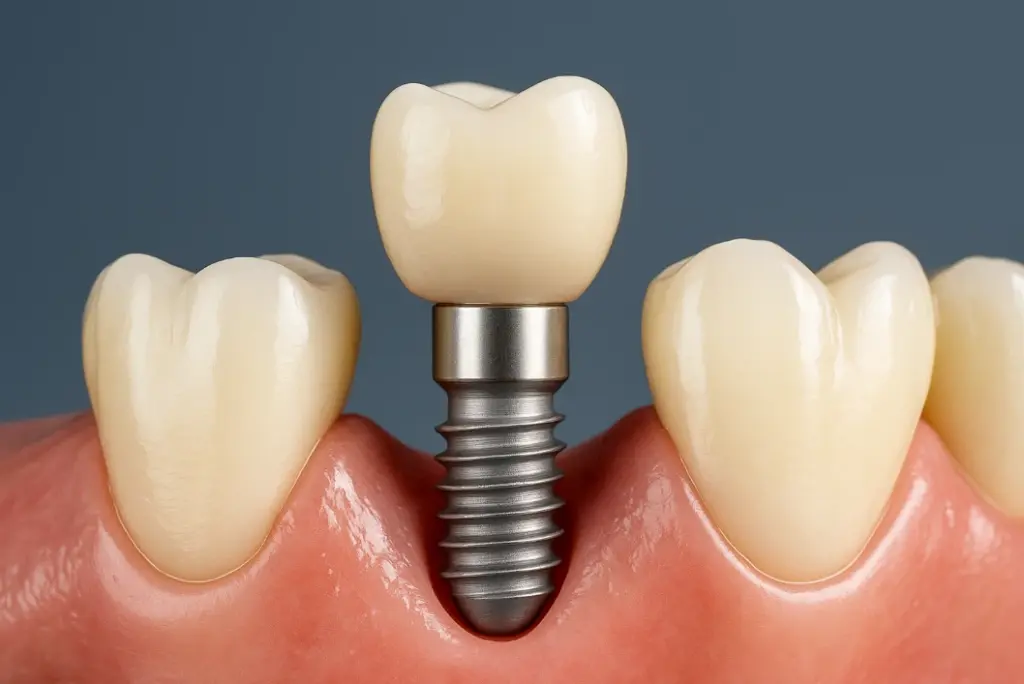
Losing a tooth can significantly impact your confidence, oral health, and overall quality of life. While traditional dental implants have long been a gold standard for tooth replacement, advancements in dental technology have introduced innovative alternatives. One such option gaining attention, particularly here in Toronto, is the concept of screwless dental implants.
At Wilson East Dental Care, we understand that finding the best dental health options can be complex. This guide aims to demystify screwless dental implants and provide you with a thorough understanding of what they are, how they differ from conventional implants, their benefits, and what to expect if you’re considering this modern solution for a brighter smile.
What Exactly Are Screwless Dental Implants?
Screwless dental implants represent an evolution in restorative dentistry, designed to offer a stable and aesthetic solution for missing teeth. Unlike traditional implants, which typically use a screw to connect the implant post (fixture) to the abutment and crown, screwless systems employ different connection mechanisms.
These innovative designs often involve a friction-fit, cement-retained, or tapered connection that locks the components together without the need for an external screw. The underlying principle, however, remains the same: a titanium post is surgically placed into your jawbone, where it fuses with the bone through a process called osseointegration. This creates a strong, durable foundation for a prosthetic tooth.
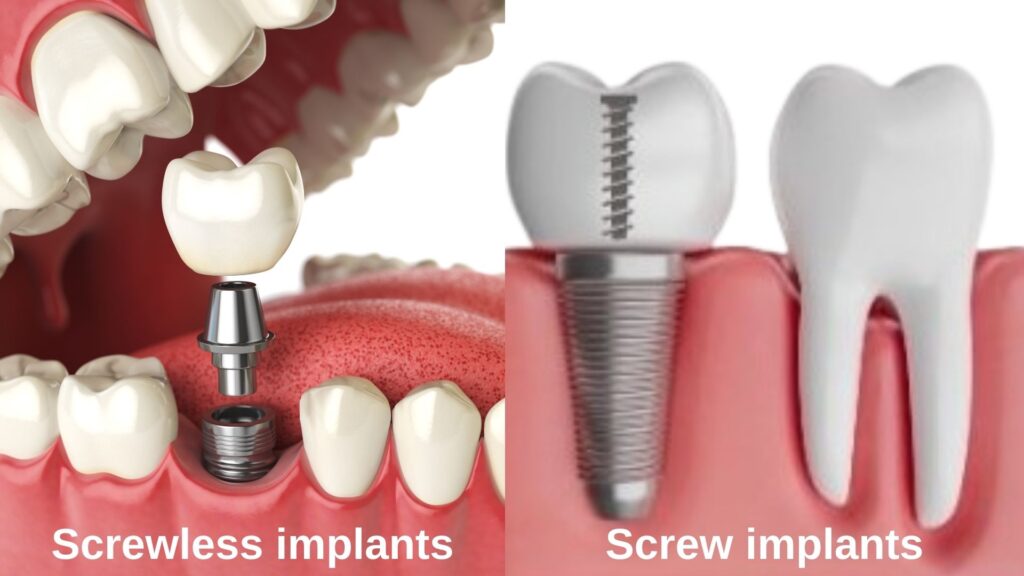
While the term “screwless” specifically refers to the absence of the connecting screw, it’s important to understand that the implant itself is still typically threaded into the bone for initial stability. The innovation lies in how the crown or bridge attaches to this integrated post, aiming to reduce potential complications associated with screw loosening or fracture.
Screwless vs. Traditional Dental Implants
Understanding the concept of screwless vs. traditional dental implants is crucial for making an informed decision. While both aim to restore your smile, their mechanical designs lead to distinct advantages and considerations.
| Feature | Screwless Dental Implants | Traditional Dental Implants |
|---|---|---|
| Connection Method | Often uses friction-fit, tapered, or cement-retained connections for the abutment/crown. No visible screw for prosthetic attachment. | Typically uses a small screw to attach the abutment and crown to the implant post. Screw access hole may be visible or filled. |
| Aesthetics | Can offer superior aesthetics due to the absence of a screw access hole on the crown, leading to a more natural-looking tooth. | May have a visible screw access hole on the biting surface, which is usually filled with composite material. |
| Hygiene & Maintenance | Smoother surface without a screw channel can be easier to clean, potentially reducing plaque accumulation and peri-implantitis risk. | Screw access channel can sometimes accumulate plaque or debris, potentially making cleaning slightly more challenging. |
| Potential Complications | Aims to reduce issues like screw loosening, fracture, or food trapping, which can occur with screw-retained restorations. | Risk of screw loosening or fracture, which may require repair or replacement, though modern designs minimize this. |
| Retrievability | May be more challenging to retrieve or repair the crown if needed, as it might involve drilling through the restoration. | Generally easier to retrieve the crown for repair or cleaning by unscrewing the access screw. |
| Indications | Often preferred for highly aesthetic zones, single tooth replacements, or patients seeking a seamless look. | Widely applicable for single teeth, multiple teeth, and full arch restorations. |
Both types of implants are considered permanent dental implants and provide excellent long-term solutions for missing teeth. The choice often comes down to specific patient needs, aesthetic goals, and the dentist’s recommendation based on clinical assessment.
The Benefits of Choosing Screwless Dental Implants
The innovative design of screwless dental implants brings several compelling advantages, making them an attractive option for many patients in Toronto seeking advanced tooth replacement solutions:
- Superior Aesthetics: Without a screw access hole on the crown, these implants offer a more natural, seamless appearance. This is especially beneficial for visible front teeth, ensuring your new smile looks indistinguishable from your natural teeth.
- Improved Oral Hygiene: The absence of a screw channel means there are fewer areas for food particles and plaque to accumulate. This can make cleaning easier and more effective, potentially reducing the risk of peri-implantitis, an inflammatory condition around implants.
- Reduced Complication Risk: Traditional screw-retained crowns can sometimes experience screw loosening or fracture. Screwless designs aim to mitigate these issues, potentially leading to fewer maintenance visits and greater long-term stability.
- Enhanced Comfort: A more stable and integrated connection can contribute to a feeling of greater comfort and security when biting and chewing, similar to natural teeth.
- Durability and Longevity: Like traditional implants, screwless systems are designed for long-term success, relying on the robust process of osseointegration for a strong foundation. With proper care, they can last for many years, offering a durable solution for tooth loss.
Discover If Screwless Dental Implants Are The Right Choice for You
Not every treatment option is ideal for every patient. If you’re considering dental implants and want to learn whether screwless implants are a suitable choice for your smile, our team is here to help.
The Screwless Dental Implant Procedure
The journey to a restored smile with screwless dental implants at Wilson East Dental Care in Toronto involves several key stages, guided by our experienced dental professionals:
- Initial Consultation and Planning: Your journey begins with a comprehensive examination, including X-rays and possibly 3D imaging. Our dental professional will assess your oral health, discuss your goals, and determine if screwless implants are the best solution for you. A personalized treatment plan will be developed.
- Implant Placement: During a minor surgical procedure, the titanium implant post is carefully placed into your jawbone. This is typically done under local anaesthesia, with sedation options available for your comfort.
- Healing and Osseointegration: Following placement, a crucial healing period of several weeks to months begins. During this time, the implant fuses with your jawbone through osseointegration, creating an incredibly strong and stable foundation. This phase is vital for the long-term success of your implant.
- Abutment Placement (if separate): Once osseointegration is complete, an abutment, which is the connector piece, is attached to the implant. For screwless systems, this connection is typically a friction-fit or tapered design, ensuring a stable link without an external screw.
- Crown Restoration: Finally, a custom-made crown, designed to match the colour, shape, and size of your natural teeth, is permanently attached to the abutment. This is the visible part of your new tooth, completing your smile.
Dental implant recovery time varies for each individual but generally involves some mild discomfort, swelling, and bruising in the initial days after surgery, which can be managed with prescribed medication. Our team will provide detailed post-operative care instructions to ensure a smooth healing process.
Understanding the Cost of Screwless Dental Implants in Toronto
The cost of dental implants in Toronto, including screwless options, can vary significantly depending on several factors. It’s an investment in your long-term oral health and quality of life, and understanding these factors can help you plan:
- Number of Implants: The more teeth being replaced, the higher the overall cost.
- Type of Restoration: A single crown will differ in cost from a bridge or full arch restoration.
- Ancillary Procedures: If you require bone grafting, sinus lifts, or tooth extractions before implant placement, these will add to the total cost.
- Materials Used: The quality of the implant material, abutment, and crown can influence the price.
- Dentist’s Expertise and Location: Fees can vary based on the experience of the dental professional and the clinic’s location within Toronto.
At Wilson East Dental Care, we believe in transparent pricing and will provide a detailed cost breakdown during your consultation. While dental implants are a significant investment, they offer a durable and aesthetic solution that can last for decades. It’s important to remember that most private dental insurance plans may cover a portion of the cost, and financing options are often available to make treatment more accessible. Patients should also inquire about any potential coverage through the Canadian Dental Care Plan (CDCP) or provincial dental programs, though specific coverage for advanced procedures like screwless implants can vary.
Conclusion
Screwless dental implants offer an advanced, aesthetically pleasing, and durable solution for individuals seeking to restore their smile and oral function. By understanding the unique benefits and considerations of this innovative treatment, you can make an informed decision about your dental health.
At Wilson East Dental Care, we are committed to providing the highest standard of dental care in Toronto. Our experienced team utilizes the latest technologies and techniques to ensure comfortable and successful outcomes for our patients. If you’re considering screwless dental implants or want to explore your tooth replacement options, we invite you to contact us.
FAQ
Are screwless dental implants truly permanent?
Yes, like traditional dental implants, screwless dental implants are designed to be a permanent solution for missing teeth. Once the implant fuses with your jawbone through osseointegration, it provides a stable and long-lasting foundation for your new tooth. With proper oral hygiene and regular dental check-ups, they can last for many decades.
How long is the dental implant recovery period for screwless implants?
The initial healing phase after the implant post is placed typically lasts a few days to a week, with most discomfort subsiding quickly. The full dental implant recovery period, which involves osseointegration, can take anywhere from 3 to 6 months. During this time, the implant integrates with your bone, creating a strong foundation before the final crown is placed.
Can screwless implants be used for all types of tooth replacement?
Screwless implants are highly versatile and can be used for single tooth replacement, multiple missing teeth, or even full arch restorations. The suitability depends on your individual oral health, bone structure, and aesthetic goals. Your dentist will determine if they are the best option for your specific case after a thorough examination.
What are the main disadvantages of screwless implants?
While the benefits are numerous, potential disadvantages of screwless implants primarily revolve around retrievability. If a screwless crown needs repair or replacement, accessing the underlying components might be more challenging than with screw-retained crowns, potentially requiring the crown to be drilled through.
How do I care for my screwless dental implants?
Caring for your screwless dental implants is similar to caring for your natural teeth. Regular brushing twice a day, daily flossing (or using interdental brushes), and routine dental check-ups are essential. Excellent oral hygiene is key to preventing peri-implantitis and ensuring the longevity of your implant. Your dentist will provide specific instructions tailored to your needs.


