


When tooth pain strikes, especially as you try to lie down, finding the best sleeping position for toothache relief becomes your primary goal. The discomfort isn’t just annoying; it can severely disrupt your sleep and overall well-being. Understanding why toothaches often worsen at night and what steps you can take to lessen the pain can make a significant difference.
At Wilson East Dental Care, we understand how annoying a toothache can be. This is why we decided to prepare this blog post on the best sleeping position for toothache relief. While these tips offer temporary comfort, it is essential to remember that persistent tooth pain signals an underlying issue that requires professional attention. Let’s explore effective strategies to help you get a better sleep.
Why Does Your Toothache Feel Worse When Lying Down?
Many people find their toothache worse when lying down. This isn’t just your imagination; there are clear physiological reasons behind this phenomenon. When you recline, blood flow to your head increases. This surge in blood pressure can intensify the pressure around an inflamed or infected tooth, leading to more pronounced pain. Gravity also plays a role, as it no longer helps drain fluids away from the head, potentially exacerbating swelling in the affected area.
Inflammation is a key factor. An infected or irritated tooth often has inflamed tissues surrounding it. Lying flat can cause these inflamed tissues to swell further, pressing on nerves and amplifying the pain. Understanding these mechanisms is the first step toward finding effective strategies for toothache relief at night.
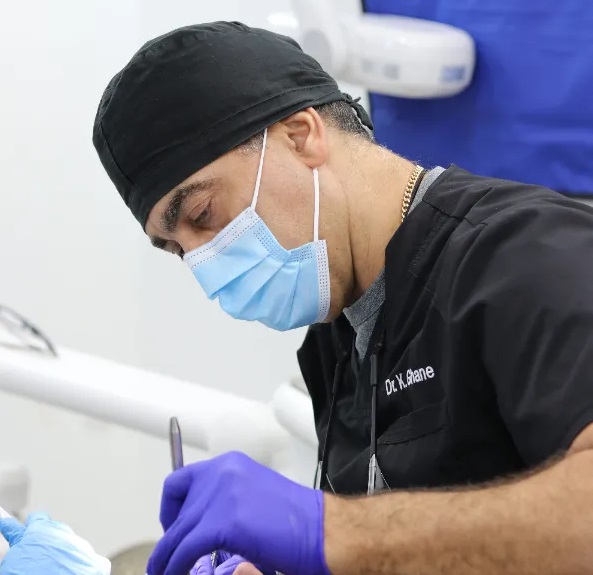
Best Sleeping Positions for Toothache Relief
Adjusting your sleeping posture can significantly reduce the intensity of your tooth pain and help you get some sleep. The goal is to minimize blood flow and pressure to the head, thereby easing the discomfort around the affected tooth.
1. Elevate Your Head While Sleeping
This is often the most recommended strategy. By using extra pillows to elevate your head for toothache, you can counteract the effects of increased blood flow. Keeping your head higher than the rest of your body helps reduce the pressure in your head and around the affected tooth. This can lessen the throbbing sensation and provide substantial relief.

Aim for a semi-upright position, similar to how you might sleep if you had a cold or sinus congestion. This can be achieved with two or three firm pillows stacked comfortably.
2. Sleep on Your Back (Supine Position)
Sleeping on your back with your head elevated is generally preferable to sleeping on your side or stomach. This position ensures that pressure is evenly distributed and prevents direct contact between your painful tooth and the pillow. It also helps maintain the elevated head position more consistently throughout the night.
3. Sleep on the Side Opposite Your Toothache
If you absolutely cannot sleep on your back, try sleeping on the side of your face that is NOT experiencing pain. This prevents direct pressure on the sensitive area and can help reduce localized swelling. However, always try to keep your head slightly elevated, even in this position, to maintain optimal blood flow management.

Immediate Home Remedies for Toothache Relief at Night
While finding the right sleeping position is crucial, combining it with effective home remedies can offer more comprehensive toothache relief at night. These methods aim to reduce inflammation and numb the pain temporarily.
- Cold Compress: Apply an ice pack or a bag of frozen vegetables wrapped in a cloth to the outside of your cheek near the affected tooth for 15-20 minutes before bed. The cold can help constrict blood vessels, reduce swelling, and numb the area, making it easier to fall asleep.
- OTC Pain Relievers: Non-steroidal anti-inflammatory drugs (NSAIDs) like ibuprofen or naproxen can effectively reduce pain and inflammation. Always follow the dosage instructions on the package. Acetaminophen can also help with pain, though it doesn’t reduce inflammation as much.
- Saltwater Rinse: Rinsing your mouth with warm salt water can help clean the area around the tooth, reduce inflammation, and kill bacteria. Mix half a teaspoon of salt in a glass of warm water and swish it around your mouth for about 30 seconds before spitting it out. Repeat several times before bed.
- Avoid Trigger Foods: Before bed, avoid sugary, acidic, or extremely hot or cold foods and drinks, as these can exacerbate tooth sensitivity and pain.
We insist that a severe toothache is often signaling a more serious problem. All the tips provided in this article are only for reducing the pain throughout the night. Visiting your dentist in Hamilton for finding the root cause and addressing it is necessary.
Don’t Put Off Relief!
While these positions can help you get through the night, a toothache is your body’s way of saying something needs fixing. Schedule an appointment with us today to address the root cause and get back to sleeping soundly without the extra pillows.
See a Dentist for Your Toothache
Relying solely on temporary solutions can allow the problem to worsen, potentially leading to more severe complications. If you’re experiencing persistent pain, especially if it lasts more than a day or two, it’s time to see an emergency dentist in Hamilton.
You should immediately contact a dentist if you experience:
- Severe pain that doesn’t improve with home remedies.
- Swelling in your face or jaw.
- Fever or headache accompanying the toothache.
- Difficulty opening your mouth, chewing, or swallowing.
- Discharge or a bad taste in your mouth, indicating infection.
These symptoms could point to serious issues like a dental abscess, severe decay, or gum disease, which require prompt dental intervention. Delaying treatment can lead to the infection spreading or more complex procedures being necessary down the line.
Conclusion
Finding the best sleeping position for toothache relief, combined with effective home remedies, can offer much-needed temporary comfort when tooth pain strikes at night. Elevating your head, sleeping on your back, and using cold compresses are simple yet powerful strategies to help you manage the discomfort and get some rest. However, it is crucial to remember that these are only temporary solutions.
A persistent toothache is your body’s way of signaling that something is wrong. Addressing the root cause of the pain with a qualified dental professional is the only way to achieve lasting relief and protect your oral health.
FAQ
Can a toothache go away on its own?
While minor tooth sensitivity might resolve, a true toothache, especially one that persists or worsens, typically indicates an underlying dental problem that will not go away on its own. It requires professional diagnosis and treatment.
Why do I feel throbbing pain when I lie down?
When you lie down, blood flow to your head increases. This increased pressure can intensify the throbbing sensation, especially if there is inflammation or infection around the tooth.
Is it safe to take pain medication every night for a toothache?
Taking over-the-counter pain medication for a few nights to manage acute pain is generally safe, following dosage instructions. However, it’s not a long-term solution. Chronic reliance on pain relievers for a toothache indicates a need for dental treatment, not just symptom management.
Can I use heat for a toothache?
Generally, cold compresses are recommended for toothaches as they help reduce swelling and numb the area. Heat can sometimes increase inflammation and make the pain worse, especially if there’s an infection.


