

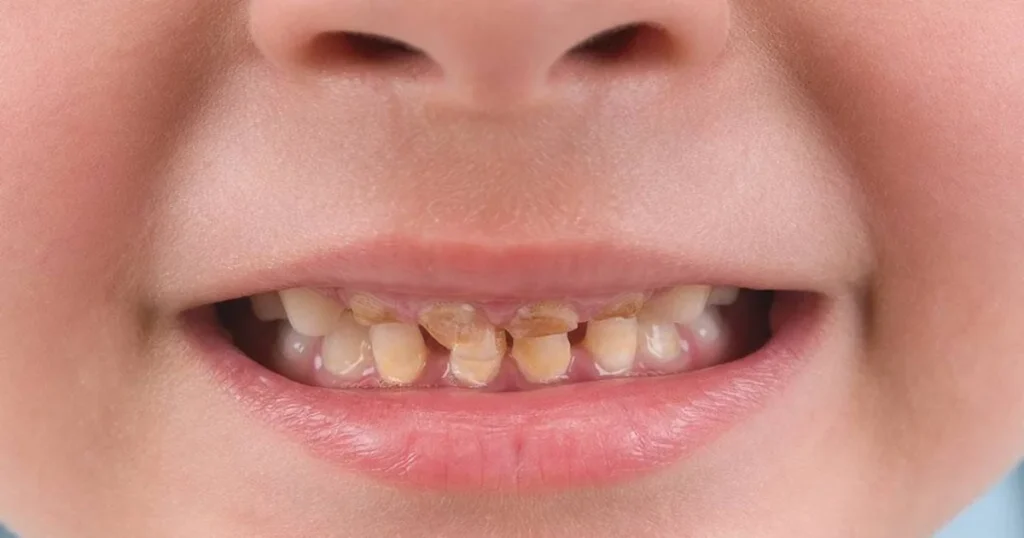
Seeing yellow teeth in your child can be alarming, especially when you’re unsure whether it’s simply part of development or a sign of a dental issue. The truth is that pediatric discoloration is common, especially as permanent teeth begin to erupt. However, specific causes, such as enamel defects, tartar buildup, or early decay, may require professional assessment and treatment, such as teeth cleanings.
In this article, we’ll explore the most common reasons behind yellow teeth in kids, when to be concerned, the safest cosmetic and preventive approaches, and when to seek professional pediatric dental care to protect your child’s smile.
Common Causes of Yellow Teeth in Kids
Understanding why yellowing happens in most cases, especially for kids, helps parents take the proper steps early so there’s less worrying.
Enamel Differences Between Baby Teeth and Permanent Teeth
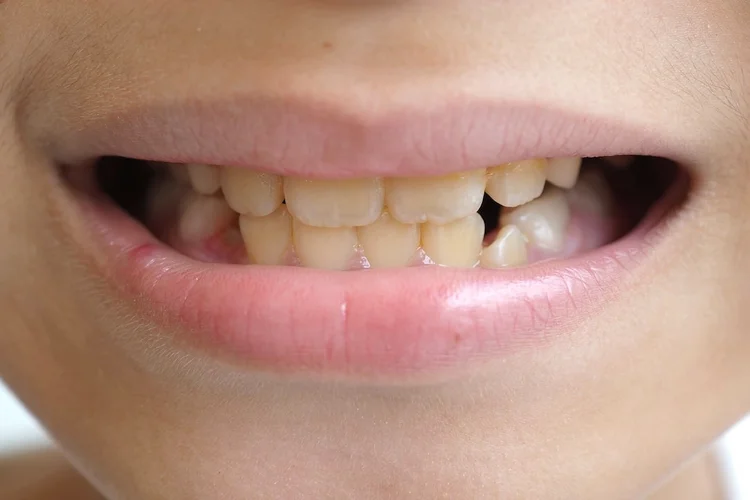
Baby teeth are naturally bright white. Permanent teeth, however, have thicker dentin and slightly darker enamel. As these new teeth erupt, they often appear more yellow next to the remaining baby teeth. This contrast is entirely normal and not related to tooth decay or poor hygiene.
Tartar Buildup from Inadequate Brushing
Kids often struggle with thorough brushing, especially along the gumline or behind front teeth. When plaque hardens into tartar, the yellow buildup becomes visible. Regular dental hygiene appointments help remove tartar and prevent early gingivitis.
Staining from Foods and Drinks
Berries, tomato sauces, sports drinks, flavoured waters, and artificially colored snacks can temporarily stain the enamel. If your child also has orthodontic hardware in the future, such as aligners or braces, staining becomes more noticeable around attachments, something often covered during orthodontic treatment consultations.
Fluorosis from Excessive Fluoride Intake
Mild fluorosis can create white or yellow streaks when permanent teeth erupt. It’s usually cosmetic and harmless, but it should be evaluated during routine dental checkups to distinguish it from enamel weakness or early cavity formation.
Enamel Hypoplasia or Naturally Weak Enamel
Some children develop thinner or defective enamel, making teeth appear yellow, chalky, or uneven in colour. These kids may also be at higher risk for cavities, requiring attentive preventive care and monitoring.
Other factors are entirely due to genetics, such as hair or eye colour, and tooth colour can also be inherited. Some children naturally have slightly darker permanent teeth, even with perfect brushing habits.
Read more: Popular cosmetic dental procedures for children
When Yellow Teeth Are a Sign of a Dental Problem
Yellow teeth in children are often regular, but specific patterns of discoloration can signal a dental issue that needs timely attention. Knowing when yellowing is harmless and when it reflects an underlying problem helps parents act early and protect their child’s enamel.
- Sudden or rapidly worsening yellowing: May indicate early enamel erosion or the beginning stages of decay rather than natural colour changes.
- Discoloration limited to a single tooth: Often linked to trauma, internal staining, or underlying nerve inflammation and should be evaluated promptly.
- Yellowing with brown spots, pits, or rough areas: Suggests active tooth decay that may require treatment, such as a dental filling, to stop progression.
- White patches turning yellow over time: A sign of enamel demineralization that has advanced due to poor hygiene or dietary acids.
- Yellowing paired with sensitivity to cold or sweets: May reflect weakened enamel or early erosion caused by acidic drinks, plaque buildup, or brushing habits.
- Persistent tartar buildup despite brushing: Indicates plaque hardening along the gumline and may indicate developing gum inflammation or an inadequate brushing technique.
Recognizing these warning signs early makes treatment easier, protects developing permanent teeth, and helps prevent the need for more extensive restorative procedures later. If any of these patterns appear, a pediatric dental exam is the safest next step.
Safe Solutions to Whiten Tooth Colour in Children
Whitening for children must be done conservatively. The safest and most immediate improvement comes from a professional cleaning, which polishes away tartar and superficial stains. Kids with weak enamel may benefit from fluoride varnish, prescription-strength toothpaste, or remineralizing agents to strengthen tooth structure. Also, try to purchase the best toothpaste for your teeth’s condition to get the best results.
For more severe discoloration, cosmetic approaches such as gentle dental bonding may be considered later, once adult teeth have fully matured. Whitening strips or bleaching products are not recommended unless a dentist approves, as children’s enamel is more sensitive and still developing.
It’s also important to know that encouraging children to have good oral habits and routines is essential, the Colgate website says:
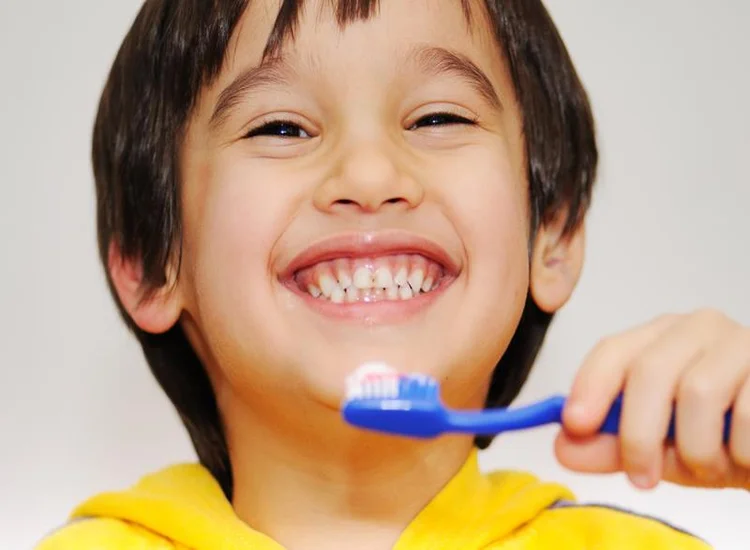
“To help keep your child’s teeth white and healthy, encourage them to follow a good oral hygiene routine. Children need to brush their teeth for two minutes twice a day, just like adults. The AAPD recommends supervising them until they are 7 or 8 years old.”
Discover more: Achieving shiny teeth
Get Your Child’s Teeth White Again!
If your child’s teeth look yellow and you’re unsure whether it’s normal or a problem, book a pediatric checkup at Wilson East Dental Care. We provide gentle exams, cleanings, fluoride treatments, and enamel-strengthening care to protect your child’s smile.
Prevention Tips to Keep Your Child’s Teeth Bright
Keeping your child’s teeth bright starts with strong daily habits and routines that protect enamel and prevent staining. These practical steps help maintain healthy colour as both baby and permanent teeth develop.
- Brush twice daily with fluoride toothpaste: Strengthens enamel, removes plaque, and prevents discoloration from early decay or tartar buildup. Most people have no idea about the fantastic benefits of fluoride.
- Supervise brushing and help clean hard-to-reach areas: Ensures plaque around the gumline and behind the front teeth is effectively removed.
- Limit sugary snacks and acidic drinks: Reduces enamel erosion and staining caused by frequent exposure to sugars, juices, sports drinks, and flavoured waters.
- Encourage rinsing after staining foods: Simple rinsing with water helps remove pigments left by berries, sauces, and colored snacks.
- Maintain regular dental checkups and cleanings: Professional polishing removes tartar and deep surface stains that brushing alone cannot address.
- Promote good hydration to support saliva flow: Saliva naturally cleans teeth, neutralizes acids, and prevents early enamel breakdown.
Healthy habits developed early not only keep your child’s teeth bright today but also set the foundation for a lifetime of strong, stain-resistant enamel and better oral health overall, just like spring refresh tips.
When to See a Pediatric Dentist for Discoloration
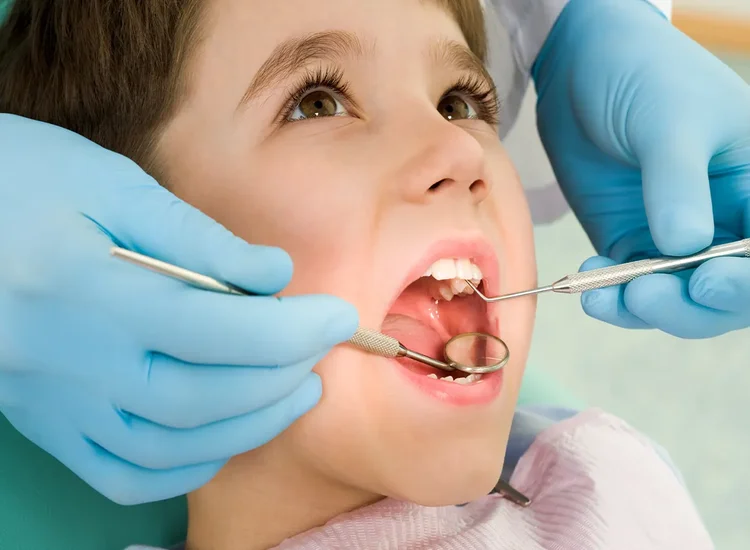
Schedule a dental visit if the yellowing appears suddenly, worsens quickly, affects only one tooth, or is accompanied by pain or sensitivity. These signs may indicate structural enamel issues or early decay. A pediatric dentist can determine whether professional cleaning, remineralization therapy, or early intervention is needed to protect long-term tooth development.
Children with enamel defects or staining may also require guidance on future cosmetic options, such as bonding or whitening during adolescence, which fall under broader cosmetic dentistry care once teeth fully mature.
Feel Confident Addressing Yellow Teeth in Kids
Yellow teeth in kids can range from completely normal to an early sign of dental issues. With good brushing habits, proper diet, and routine checkups, parents can prevent most causes of discoloration and protect their child’s developing smile.
At Wilson East Dental Care, we offer gentle pediatric checkups, cleanings, enamel-protection treatments, and family dentistry services designed to keep your child’s teeth healthy and bright. If you’re worried about tooth colour or enamel health, our team is here to guide you with safe, personalized solutions.
FAQ
-
Are yellow permanent teeth regular in kids?
Yes. Permanent teeth often erupt with a naturally yellower appearance because they have thicker dentin and darker enamel than baby teeth.
-
What foods cause staining in kids’ teeth?
Berries, tomato sauces, sports drinks, flavoured waters, and foods with artificial dyes commonly stain kids’ teeth.
-
Can children safely use whitening products?
Not usually. Most whitening products are too strong for developing enamel. A dentist may recommend safe, supervised alternatives if needed.
-
What is fluorosis, and can it cause yellow teeth?
Fluorosis occurs from excessive fluoride intake during tooth formation. It can create white or yellowish streaks, but is typically cosmetic.
-
How can I help my child brush more effectively?
Use a soft brush, supervise brushing, focus on the gumline, and use a two-minute timer. Regular professional cleanings also reinforce habits.
Have you noticed yellow teeth or white spots on your child’s smile?
Share your concerns or questions below
Our team is here to offer clarity and guidance.


