

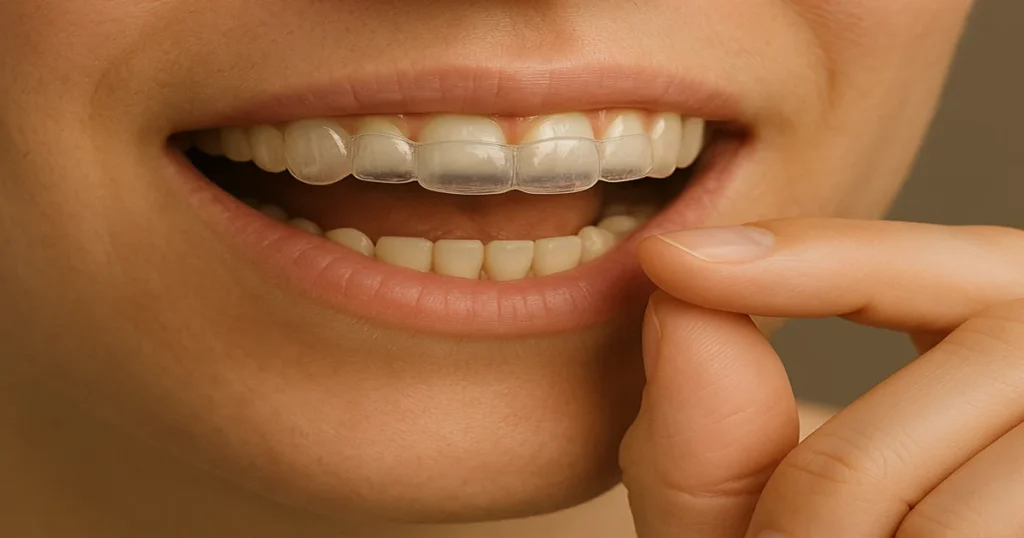
Gaps between teeth, also called diastemas, are a common concern for adults seeking a more even smile. While Invisalign is a popular solution, many patients wonder about its effectiveness for different types of gaps and how long the treatment will take.
In this article, we’ll explore how Invisalign works for spacing issues, discuss the types of gaps it can correct, outline the average treatment timeline, compare Invisalign to alternative treatments, and provide practical tips to optimize results safely. Along the way, we’ll highlight how patients can combine Invisalign with other cosmetic dentistry services.
Can Invisalign Fix Gaps Between Teeth?
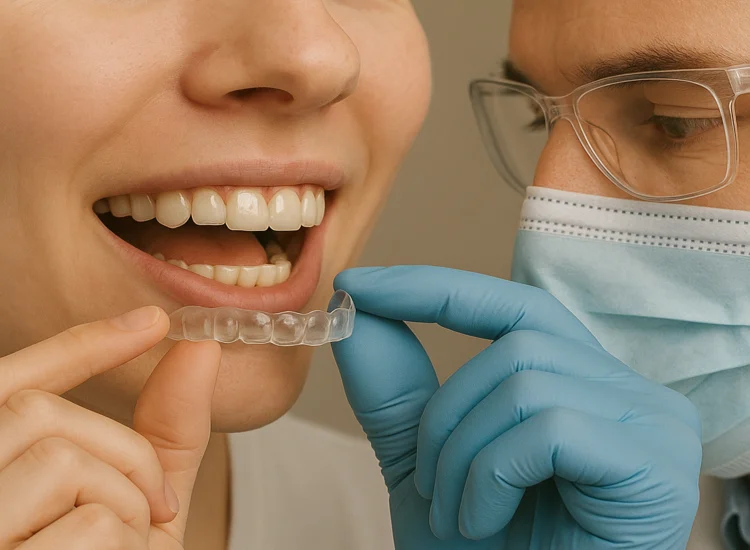
Gaps between teeth, or diastemas, can affect both appearance and oral health. Invisalign is a popular choice for closing these spaces because it uses a series of clear aligners to gradually shift teeth into proper alignment. Beyond aesthetics, closing gaps helps reduce food trapping, prevents uneven wear, and supports overall gum health. Invisalign can also complement other cosmetic dentistry services, such as dental bonding, to enhance the final appearance once spacing issues are corrected.
How Invisalign Works for Spacing Issues
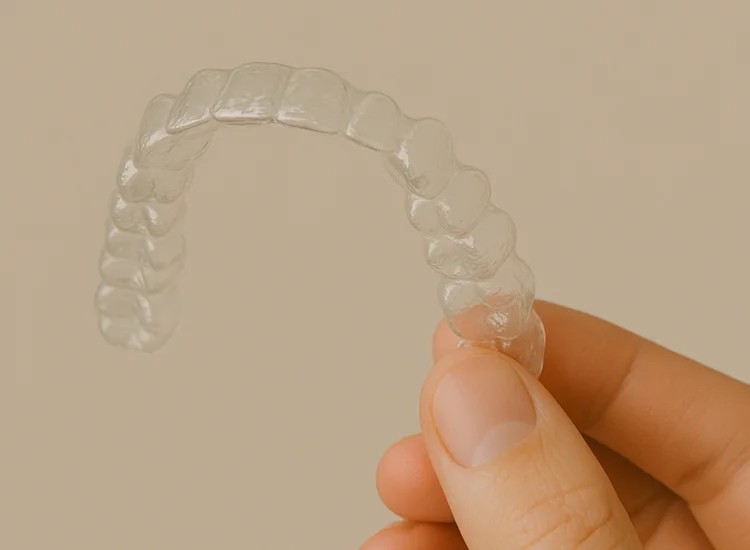
If you don’t know much about the Invisalign treatment process, you should know that Invisalign uses a series of custom aligners to gradually shift teeth into proper alignment. Each aligner is worn for about 20–22 hours per day, applying gentle pressure to move teeth closer together. Because treatment is supervised by a licensed dentist, patients benefit from professional guidance, adjustments, and monitoring, similar to the services provided in an orthodontic office. For patients seeking cosmetic enhancements alongside dental alignment, combining Invisalign with veneers or teeth whitening can help maximize aesthetic results.
Read more: Invisalign benefits
Types of Gaps It Can Treat
Invisalign can correct a specific variety of spacing concerns that a lot of people are nowadays dealing with, including:
- Gaps between front teeth (central incisors)
- Spaces caused by small or missing teeth
- Gaps from periodontal issues where teeth have shifted
- Uneven spacing across multiple teeth
Patients with more complex spacing or bite issues may combine Invisalign with dental bonding or restorative treatments to achieve the best possible results.
Even the Invisalign website elaborates on this:
“Invisalign clear aligners can fix gaps in teeth. We can help you find an experienced Invisalign Doctor. Who can show you what Invisalign Treatment can do for you?”
Comparing Invisalign to Other Gap Treatments
While Invisalign is effective for many cases, other options exist:
- Traditional braces (metal, ceramic, or lingual) remain the most versatile solution for severe spacing and bite issues.
- ClearCorrect is a professional in-office aligner system similar to Invisalign, often at a slightly lower cost but still supervised by a licensed dentist.
- Byte Aligners offer faster treatment claims and are ideal for mild gaps, though complex cases may require professional supervision.
- SmileDirectClub and other at-home aligners provide convenience and lower upfront costs but may not be suitable for moderate to severe gaps.
Each treatment type has its pros and cons in terms of cost, convenience, and effectiveness. Patients can also consider combining orthodontic treatment with preventive dental care, restorative dentistry, or cosmetic enhancements to achieve optimal results.
When considering treatment options, costs can vary widely depending on the system used, supervision level, and case complexity. Here’s a general overview:
| Option | Estimated Cost (CAD) | Supervision | Duration |
|---|---|---|---|
| Invisalign | $3,500–$8,000 | In-office orthodontist | 12–24 months |
| ClearCorrect | $3,000–$7,000 | Dentist supervision | 12–24 months |
| Byte Aligners | $1,900–$2,500 | Remote dentist oversight | 4–6 months |
| SmileDirectClub | $1,800–$2,400 | Remote monitoring | 4–12 months |
| Traditional Braces | $2,500–$7,000 | In-office orthodontist | 18–36 months |
| Ceramic Braces | $3,500–$8,000 | In-office orthodontist | 18–36 months |
Discover more: Invisalign vs. Braces
Average Timeline for Invisalign to Close Gaps
Treatment timelines vary depending on gap size, number of teeth involved, and patient compliance. Minor gaps may close in 6–8 weeks, moderate spacing often requires 3–6 months, and larger gaps can take 12–18 months to close. Consistently wearing aligners and attending check-ins ensures progress. Patients who are also pursuing cosmetic dentistry services in conjunction with Invisalign may need to coordinate their treatment timing to optimize both function and aesthetics.
Get Your Invisalign Today!
At Wilson East Dental Care, we offer Invisalign and other cosmetic dentistry services.
Our team will guide you and your loved ones to take the next step toward a beautiful smile!
What to Expect During Invisalign Treatment for Gaps
During Invisalign treatment for gaps, patients begin with a comprehensive consultation, where a licensed dentist evaluates the alignment of the teeth, bite, and overall oral health. Digital scans or impressions are taken to create a custom series of clear aligners that gradually move the teeth into the desired position. Each aligner is typically worn for 20–22 hours per day for about 1–2 weeks before progressing to the next set.
Patients may experience mild pressure or slight discomfort when switching to a new aligner, which is a normal part of the teeth-shifting process. Regular check-ins with the dental provider enable the monitoring of progress, making necessary adjustments, and providing guidance on oral hygiene throughout treatment. Those with prior restorative or cosmetic work, such as dental crowns, veneers, or bonding, can usually integrate Invisalign treatment without compromising the results, ensuring both functional and aesthetic outcomes.
Throughout treatment, maintaining good oral hygiene is crucial to prevent delays caused by cavities or gum issues. Patients can also coordinate Invisalign with cosmetic dentistry procedures, such as teeth whitening, at the end of treatment to enhance the overall appearance of their smile. By following the dentist’s instructions and attending regular appointments, patients can expect a safe, efficient, and predictable correction of gaps, resulting in both improved alignment and enhanced oral health.
Tips to Shorten Treatment Time
To achieve results efficiently, patients should:
- Wear aligners consistently for the recommended hours
- Attend all scheduled dental check-ups
- Maintain excellent oral hygiene to prevent delays
- Discuss adjunctive options, such as accelerated orthodontic techniques, with their dentist
Combining Invisalign with smile-enhancing services, such as teeth whitening or veneers, can be strategically planned to minimize total treatment time while maximizing aesthetic outcomes.
Professional aligners, such as Invisalign and ClearCorrect, are more costly but include in-office monitoring for safety and accuracy. At-home systems are more affordable but may be limited for complex cases. Traditional braces remain the most predictable solution for severe misalignments.
Is Invisalign for Gaps the Best Option?
Invisalign and its alternatives provide multiple paths to close gaps, each with unique benefits, treatment timelines, and costs. Choosing the right system depends on the severity of gaps, desired speed, budget, and need for professional supervision.
At Wilson East Dental Care, our team evaluates each patient’s alignment goals, bite issues, and cosmetic preferences to recommend the safest and most effective option. Whether you choose Invisalign, ClearCorrect, or traditional braces, you can rely on us for professional guidance, expert supervision, and integrated cosmetic solutions, such as veneers, teeth whitening, or dental bonding, to achieve a confident and healthy smile.
FAQ
Here are the most frequently asked questions about the Invisalign for gaps:
-
How does Invisalign close gaps between teeth?
Invisalign uses a series of custom clear aligners to gradually shift teeth. Each aligner applies gentle, controlled pressure to move teeth closer together over time under professional supervision.
-
What types of gaps can Invisalign treat?
Invisalign is effective for small to moderate gaps, gaps caused by missing or undersized teeth, spacing from teeth shifting due to aging, and uneven spacing across multiple teeth. Complex bite issues may require additional orthodontic treatment.
-
How long does it take to close gaps with Invisalign?
Treatment timelines vary depending on gap size and complexity. Minor gaps may close in 6–8 weeks, moderate gaps in 3–6 months, and larger or more complex gaps can take 12–18 months.
-
Can Invisalign work with existing dental restorations like crowns or veneers?
Yes, Invisalign can often be integrated with prior dental work, including crowns, veneers, or bonding, to maintain both functional and aesthetic results.
Still have questions about Invisalign?
Our team is happy to answer and help you in the comments.


