

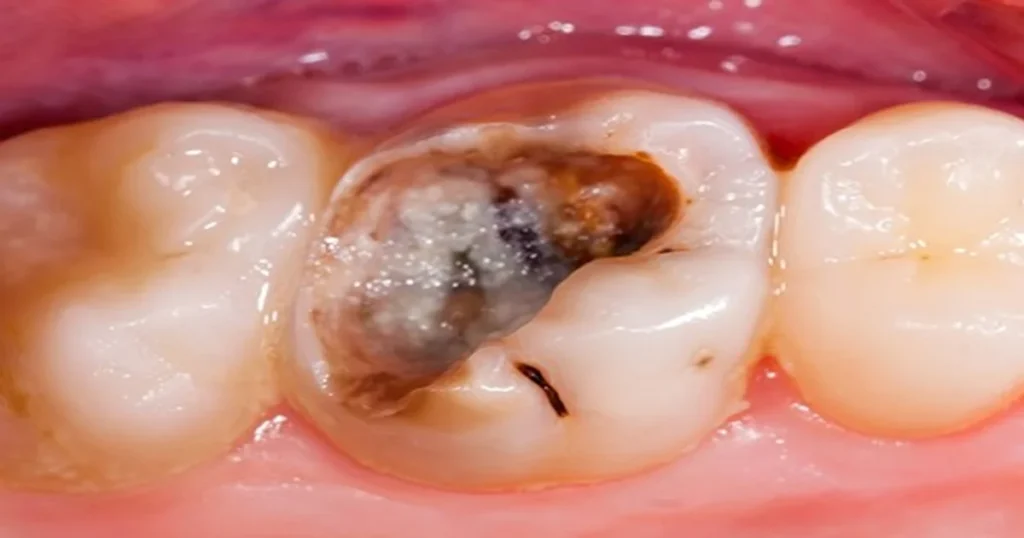
Many patients might find themselves with a temporary tooth filling at some point. It is a common part of dental treatment. A temporary dental filling is exactly what its name suggests: a provisional measure designed to protect your tooth for a short period. It is not meant to be a permanent solution, but a crucial step in your overall dental care.
We use temporary fillings for several important reasons. They protect a tooth from further damage or sensitivity while we prepare for a permanent restoration. Understanding what a temporary filling is, why you might need one, and how to care for it will help you feel more comfortable and informed about your treatment.
What is a Temporary Tooth Filling?
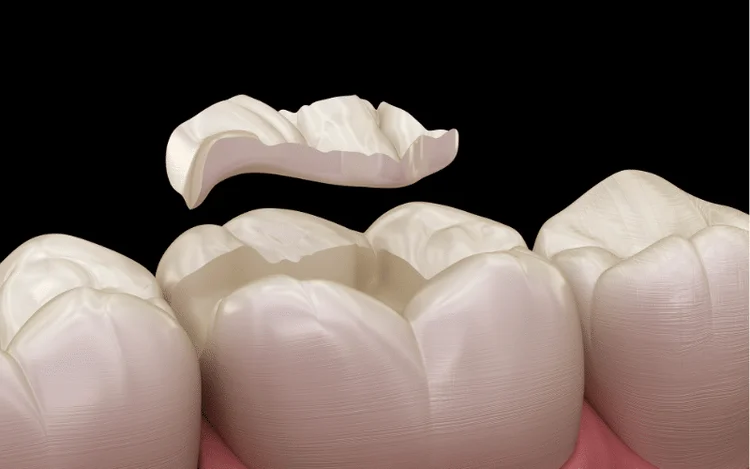
A temporary tooth filling is a soft material placed into a tooth cavity or preparation. It acts as a protective barrier. These materials are distinct from permanent fillings, being easier to place and remove. They are designed to last for a limited time, usually a few weeks to several months, depending on the material and the specific dental situation.
The main purpose of a temporary filling is to seal off the inner part of your tooth. This prevents bacteria and food particles from entering, which could cause further decay or infection. It also helps reduce sensitivity and discomfort, allowing the tooth to settle before a more definitive treatment.
Why Might You Need a Temporary Dental Filling?
There are several common scenarios where a temporary dental filling becomes necessary. Each situation highlights its role as an interim, protective measure in your dental treatment plan.
- After a Root Canal Treatment: Following a root canal, a temporary filling seals the access hole in your tooth. This protects the treated area from infection while you wait for a permanent filling or a dental crown.
- For Deep Cavities: If you have a very deep cavity, we might place a temporary filling first. This allows the tooth’s nerve to calm down and heal, especially if there was significant inflammation or exposure during decay removal. It helps assess if the nerve can recover without needing a root canal.
- Emergency Tooth Pain Relief: In cases of sudden tooth pain or a chipped tooth, a temporary filling can offer immediate relief. It protects the exposed inner tooth structure and provides comfort until a more comprehensive treatment can be arranged.
- Awaiting a Permanent Restoration: Sometimes, a permanent restoration needs time to be fabricated in a lab. A temporary filling covers the prepared tooth, maintaining its position and function until the custom restoration is ready to be cemented into place.
Read more: Types of dental fillings
How Long Do Temporary Fillings Last?
The lifespan of a temporary filling varies, but it is typically designed to last from a few weeks to several months. The exact duration depends on the material used, its location in your mouth, and your oral habits. It is crucial to remember that a temporary filling is not built for the long term. Its purpose is to serve as a placeholder or protective layer until your permanent restoration is ready.
Factors like chewing forces, the type of foods you eat, and how well you care for it can all impact how long your temporary filling stays in place. We always advise patients to schedule their follow-up appointment promptly. This ensures the temporary filling is replaced before it wears down or fails, preventing any further issues with the tooth.
Besides the lasting factors, the process of getting a temporary filling is also quicker, and sometimes it takes less than 30 minutes to get one, according to Healthline.
Read more: How long does a dental filling last
Caring for Your Temporary Filling
Proper care for your temporary filling is essential to ensure it stays in place and protects your tooth until your next appointment. A little extra attention can prevent discomfort and complications.
- Watch What You Eat: Avoid sticky foods like chewing gum or caramels, as they can pull the filling out. Stay away from hard foods such as nuts or ice, which could crack the filling or even the tooth itself.
- Chew Carefully: Try to chew on the opposite side of your mouth where the temporary filling is located. This reduces direct pressure on the treated tooth.
- Maintain Oral Hygiene: Continue to brush and floss your teeth as usual, but be gentle around the temporary filling. When flossing, slide the floss out from between your teeth rather than pulling it straight up, which could dislodge the filling.
- Manage Sensitivity: It is normal to experience some mild sensitivity to hot, cold, or pressure after a dental procedure. This should subside. If sensitivity worsens or you feel significant pain, contact us right away.
What to Do If Your Temporary Filling Falls Out or Cracks
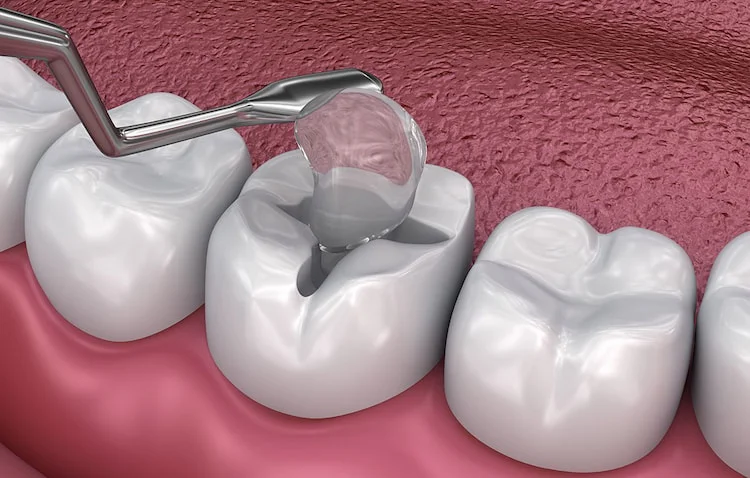
It can be alarming if your temporary filling falls out or cracks, but try not to panic. This can happen, and we are here to help. Your immediate step should be to contact Wilson East Dental Care in Hamilton as soon as possible. We will advise you on the next steps and schedule an appointment to assess the situation.
In the meantime, you can take a few temporary measures. If the tooth feels sensitive, you might try placing a small piece of sugar-free gum or dental wax into the cavity. This can help protect the exposed area from food particles and temperature changes. Avoid chewing on that side of your mouth completely. Do not attempt to re-cement the filling yourself or use any other household adhesives.
A Temporary Filling Finally Needs a Permanent Solution
Temporary fillings can crack or fall out sooner than you expect. Replacing yours on time helps prevent bacteria from reaching the tooth and reduces the risk of more extensive treatment. Schedule your visit today for a permanent solution.
Temporary Filling vs. Permanent Filling: Key Differences
Understanding the distinction between a temporary tooth filling and a permanent one is crucial for appreciating its role in your overall dental filling treatment.
| Feature | Temporary Filling | Permanent Filling |
|---|---|---|
| Purpose | Protects the tooth, seals against bacteria, supports healing, and serves as a placeholder until a permanent restoration is placed. | Restores tooth function and appearance for the long term while providing a durable, lasting seal. |
| Material | Made from softer materials that are easy to place and remove, such as zinc oxide, eugenol, or glass ionomer cement. | Made from strong, durable materials such as amalgam, composite resin, gold, or porcelain. |
| Durability | Designed as a short-term solution and typically lasts from a few weeks to a few months. | Built for long-term performance and can last many years with proper oral care. |
| Placement | Quick and straightforward procedure, often completed in a single visit as an interim treatment. | Requires precise tooth preparation and bonding techniques and may involve multiple visits for certain restorations. |
| Cost | Generally more affordable because it is intended as a temporary solution. | Usually costs more initially due to the durability, advanced materials, and complexity of treatment. |
| Appearance | Primarily functional and often less aesthetic than permanent options. | It can closely match the natural color of teeth, especially when using composite resin or porcelain materials. |
While a temporary filling provides immediate protection, it lacks the strength and longevity of a permanent restoration. It is vital to return for your scheduled appointment to complete the treatment. This ensures the long-term health and stability of your tooth.
Your Next Steps After a Temporary Filling
Receiving a temporary filling marks an important stage in your dental treatment. However, it is not the final step. The most critical action you can take is to schedule and attend your follow-up appointment for the permanent restoration. This completes the treatment and ensures the long-term health of your tooth.
We will discuss the type of permanent dental filling or restoration that is best for your tooth. This might be a composite filling, a crown, or another form of restorative dentistry. Neglecting to replace a temporary filling can lead to serious complications, including further decay, infection, or even tooth loss.
Book Your Follow-Up Appointment
A temporary tooth filling plays a vital role in protecting your dental health and preparing your tooth for its permanent restoration. At Wilson East Dental Care in Hamilton, we ensure you understand every step of your restorative dentistry treatment. We are here to guide you through the process, from initial assessment to your final, permanent dental filling.
Do not delay your permanent treatment. If you have a temporary filling or if you are experiencing tooth pain and believe you might need a dental filling, contact our office. We are committed to providing thorough dental care right here in Hamilton.
FAQ
-
What is a temporary tooth filling made of?
Temporary fillings are typically made from softer materials than permanent fillings. Common materials include zinc oxide eugenol, glass ionomer cement, or other resin-based composites. These materials are chosen for their ease of placement and removal, as well as their ability to seal the tooth effectively for a short period.
-
Is it normal for a temporary filling to feel rough?
Yes, it is quite common for a temporary filling to feel a bit rougher or less smooth than a permanent one. This is due to the nature of the materials used. Your tongue might notice the texture difference, but it should not cause pain or irritation. If it feels sharp or is causing discomfort, contact us.
-
Can I eat normally with a temporary filling?
While you can eat, it is best to be cautious. Avoid chewing directly on the temporary filling, especially hard, sticky, or crunchy foods. These can dislodge or damage the filling. Stick to softer foods and chew on the opposite side of your mouth to protect it.
-
What if my temporary filling causes pain?
Some mild sensitivity is normal after any dental work, but persistent or severe pain is not. If you experience significant pain, swelling, or discomfort around your temporary filling, contact Wilson East Dental Care immediately. This could indicate an issue that needs prompt attention.


