


If you’re exploring cosmetic dental treatments and wondering whether the Canadian Dental Care Plan (CDCP) can help cover those procedures, you’re not alone. Many patients want a brighter smile, straighter teeth, or to fix cosmetic flaws, but worry about cost and what dental coverage will pay for.
In this blog post, we’ll help you understand the rules of CDCP for cosmetic dentistry, when cosmetic services might qualify, and how to maximize your benefits. By the end of this guide, you should be able to make an informed decision, know what to ask your dentist, and feel confident about your financing options.
Does CDCP Cover Dental Cosmetic Procedures?
Before scheduling your cosmetic dental treatment, it’s essential to know the official rules. The CDCP covers a wide range of dental services, but cosmetic treatments are generally not included unless they also serve a medical or restorative purpose.
What’s Typically Instead?
Here are the kinds of dental services that are usually covered under CDCP:
| Category | Covered Services | Preauthorization Required |
| Preventive & Diagnostic | Exams, cleanings, X-rays, sealants, and fluoride treatments. | — |
| Basic Restorative | Permanent fillings, temporary fillings, treatment for cavities, and extractions. | — |
| Endodontic | Root canal treatments for infection or severe decay. | Retreatment requires preauthorization. |
| Periodontal | Gum disease treatments, cleaning under the gumline, and treating abscesses. | Some post-surgical evaluations need preauthorization. |
| Major Restorative & Prosthodontic | Crowns, dentures, partial and complete dentures, repairs. | Many of these require preauthorization. |
All in all, what is not covered are purely aesthetic treatments like teeth whitening, veneers, or cosmetic-only adjustments. If a crown is needed to restore function (like due to decay or damage), CDCP might cover it; but if it’s just for appearance (like matching colour), that portion won’t be covered.

Definition of Cosmetic Dentistry vs. Restorative Dentistry
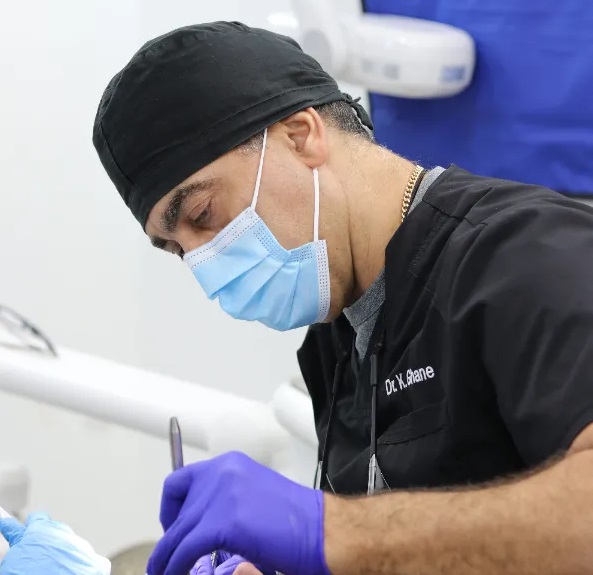
Cosmetic Dentistry refers to treatments whose primary goal is to improve the appearance of your teeth, gums, or smile; things like teeth whitening, dental veneers for appearance, dental bonding for aesthetic shapes, or gum contouring for symmetry. These are generally elective.
Restorative Dentistry, on the other hand, refers to treatments aiming to repair or restore function, health, and structure. This includes fixing decay, repairing broken teeth, getting rid of infection, replacing missing teeth, and ensuring chewing and biting are safe and comfortable.
At Wilson East Dental Care, we often see overlap: for example, a crown may restore functionality after damage but also improve appearance. The CDCP mostly focuses on restorative and medical-necessity treatments rather than purely cosmetic ones. If cosmetic work is bundled with restorative or medically necessary work, parts of it may qualify under CDCP.
Situations Where Cosmetic Treatments May Be Covered
Although cosmetic procedures are typically excluded, there can be exceptions or special cases where coverage applies (fully or partially), especially when the treatment also addresses a medical, structural, or functional issue. Here are scenarios to watch out for.
1. Functionality Requirement
If your cosmetic treatment is needed because a tooth is damaged, decayed, broken, or missing, and is causing pain or interfering with eating, speaking, or oral health, then CDCP may cover (or co-cover) some restorative part of it. For example, replacing a broken dental crown also corrects bite alignment.
2. Preauthorization Required
Many major restorative procedures (crowns, posts, prosthodontics) require preauthorization. If your cosmetic plan involves any of these, your dentist must submit documentation showing medical need.
3. Combined Treatments
Sometimes cosmetic and restorative treatments are combined. For example, if a dental filling needs replacement and part of that involves improving shape for function, there might be coverage for what’s medically necessary, though a cosmetic “upgrade” may still be out of pocket.
4. Medical Conditions or Disabilities
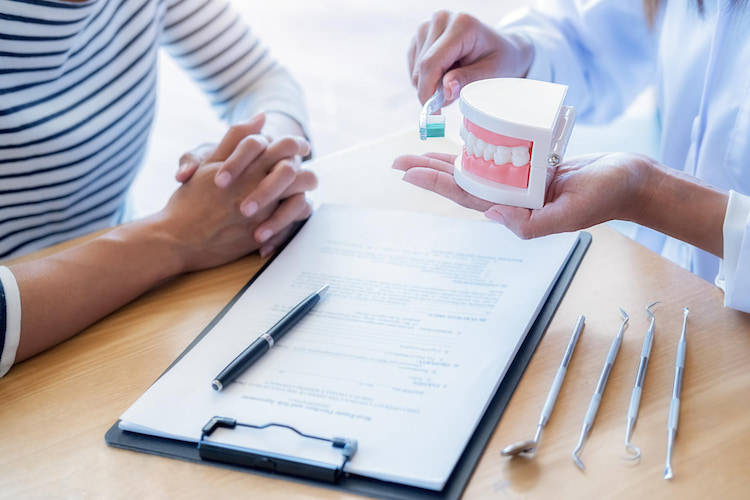
CDCP recognizes a higher need in certain health circumstances (such as physical disability) where oral health might be compromised. In these situations, treatments that might otherwise be borderline cosmetic may be considered under medical necessity or with special approval.
5. Dental Implants and CDCP Coverage
Many patients ask whether dental implants are covered under the Canadian Dental Care Plan. At this time, implants are generally not covered by CDCP because they are considered a higher-cost option and, in most cases, elective. However, CDCP does cover alternative restorative options, such as complete or partial dentures, which can replace missing teeth at a much lower cost.
That said, if a dental implant is required due to serious oral health issues, such as trauma, severe bone loss, or inability to use dentures, there may be rare situations where preauthorization could allow partial coverage.
“If a service is outside the CDCP’s scope of coverage and is not an exclusion, a request for an exception may be possible.”
Read more: Canada.ca
How to Determine Your Coverage
Here are the steps and key factors to check so you know exactly what CDCP will cover for your cosmetic-oriented dental work:
- Check Eligibility Criteria
To access any benefits, you must meet the CDCP eligibility criteria: adjusted family net income under a certain threshold (commonly less than $90,000/year), and no other dental insurance coverage.
- Ask Your Dentist for an Estimate and Treatment Plan
Make sure your dentist lays out which parts are medical/restorative vs cosmetic. A detailed treatment plan helps with CDCP preauthorization and helps you identify what you’ll pay out-of-pocket.
- Preauthorization
Many procedures, especially major ones, must be approved in advance by CDCP. Your dentist must submit forms, radiographs, treatment rationale, etc. Approved preauthorization means CDCP has officially agreed to cover according to policy.
- Understand the Benefit Grids & Frequency Limitations
CDCP has a published benefits guide, with “grids” that state how often you can use certain services (like exams, cleanings). Some services will only be covered every so often. Auditor-type reviews ensure frequency rules are enforced.
- Confirm Levels of Cost Sharing
Depending on your income, there may be co-payments. If your family net income is under a lower threshold, you may have little to no co-pay; higher incomes in the eligible range might pay more. Also, dentists’ fees vs CDCP fee guide rates: sometimes clinics charge above CDCP rates, so you may have to pay the difference. Always check.
Read more: How to Check Your Canadian Dental Care Plan Application Status Online
Get Expert Help & Tips on CDCP for Cosmetic Dentistry!
Let’s make your smile goals happen. If you’re curious whether your desired cosmetic treatment qualifies under CDCP or want to map out a treatment plan combining what is covered with what matters to your appearance, contact us at Wilson East Dental Care. We’ll help you understand your eligibility, what’s covered, and how to finance the rest so you don’t have to wait.
Tips for Maximizing Your CDCP Benefits
To get the most value out of your CDCP dental coverage (especially if you’re aiming for cosmetic improvements), here are practical tips.
Bundle Restorative Work with Cosmetic Goals
If you know you want cosmetic improvements, schedule restorative procedures first that CDCP can cover, then follow up with cosmetic work. Sometimes, the restorative part is fully covered, reducing how much cosmetic topping you need to pay for.
Use Preauthorization Wisely
Don’t start major work without preauthorization if required. If you do, CDCP might reject the claim or cover only part. Having documentation (radiographs, justification) helps with approval.
Choose Clinics That Offer Direct Billing
At Wilson East Dental Care, we work with CDCP-accepting providers so you don’t have to pay upfront and wait for reimbursement. This avoids surprises and extra costs. (If your clinic bills you first, ask whether they accept CDCP and whether they can submit directly.)
Read more: Comprehensive Guide to Choosing the Right Cosmetic Dentist
Ask for Detailed Fee Breakdowns
Before treatment, ask your dentist: “What portion is CDCP-covered (restorative/medical necessity) and what portion is purely cosmetic?” Knowing that helps you decide whether cosmetic add-ons are worth it.
Explore Financing Options for the Cosmetic Portion
Cosmetic work not covered by CDCP is your responsibility. Many clinics (including ours) offer payment plans, flexible financing, or phased treatment approaches to spread out the cost. Doing a cost comparison helps.
Stay Updated on CDCP Changes
CDCP is relatively new and evolving. Policies, eligibility, covered services, and limits may change (like when orthodontic services are added in 2025 under certain criteria). Staying informed means you may benefit from newly added services.

Discover How CDCP for Cosmetic Dentistry Can Help You
At Wilson East Dental Care, we believe that everyone deserves to have a smile they feel proud of. While CDCP doesn’t fully cover purely cosmetic treatments, it can significantly reduce the cost of many restorative procedures that also impact how your smile looks. From replacing decayed or damaged teeth, fixing broken crowns, or providing CDCP-covered dentures, this support can mean the difference between delaying needed care and having treatment now.
If you’re considering cosmetic enhancements, our team is ready to review your smile goals, assess which parts might be eligible under CDCP, and plan out a treatment path that makes sense both for your oral health and your budget.
At this point, we invite you to schedule a consultation with our dentist in Ancaster so we can go through your needs, estimate what CDCP can cover, and outline the cosmetic portions so you know exactly what you’ll pay.
Further Reading: Cosmetic Dentistry Maintenance
FAQ
-
Does CDCP cover bonding?
Dental bonding can sometimes be partly covered under CDCP if it’s needed for functional or restorative reasons (e.g. repairing a chipped or broken tooth, or stabilizing structure). If the bonding is purely for cosmetic shaping or minor aesthetic improvements, CDCP usually does not cover that portion.
-
When are cosmetic crowns allowed?
Crowns are allowed under CDCP when there is medical necessity, such as damage from decay, breakage, or when a tooth needs structural support (core/post) to restore chewing, alignment or prevent further oral health issues.
-
How to get pre-authorization?
Your dentist needs to submit a treatment plan, with all supporting documents (radiographs, existing condition, and medical necessity). You can also use the official CDCP benefit grids and follow CDCP’s documentation requirements. Submit via the provider through EDI (Electronic Data Interchange) or directly to CDCP (Sun Life).
-
Will CDCP cover veneers?
No, veneers are generally considered a cosmetic procedure and are excluded under CDCP’s exclusions. Unless a veneer is part of a larger medically necessary restorative plan (very rare), you’ll likely have to pay the full cost out-of-pocket for veneers.
-
What is patient out-of-pocket cost?
Your out-of-pocket cost depends on several factors: whether the procedure is covered in whole or part by CDCP, whether preauthorization is required and approved, your adjusted family net income (which impacts co-payments), any difference between what the clinic charges vs the CDCP fee schedule, and whether the portion of the procedure is cosmetic.
Share below what cosmetic dental treatment you’re interested in, whitening, veneers, or bonding, and we can help estimate your cost and CDCP coverage!


